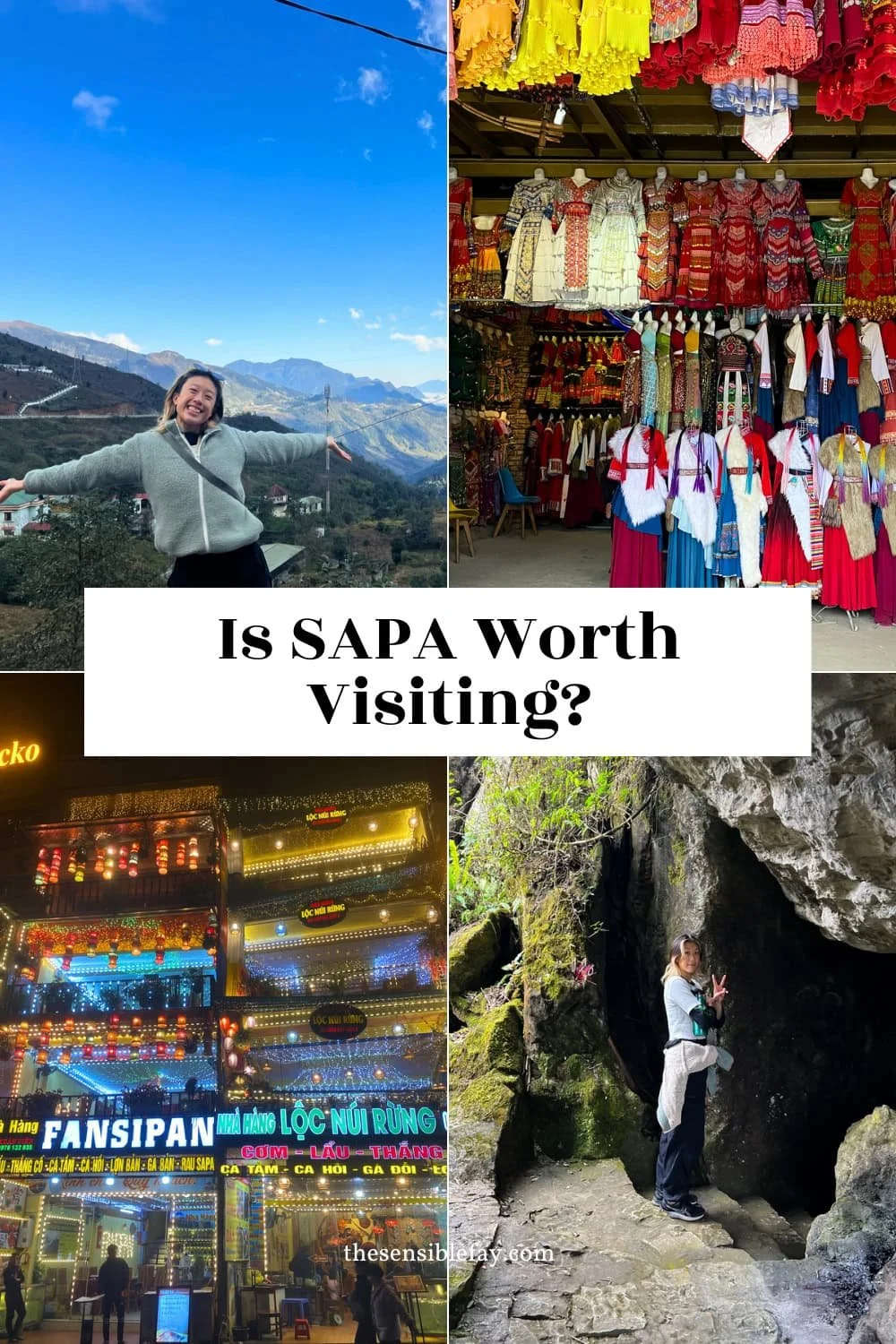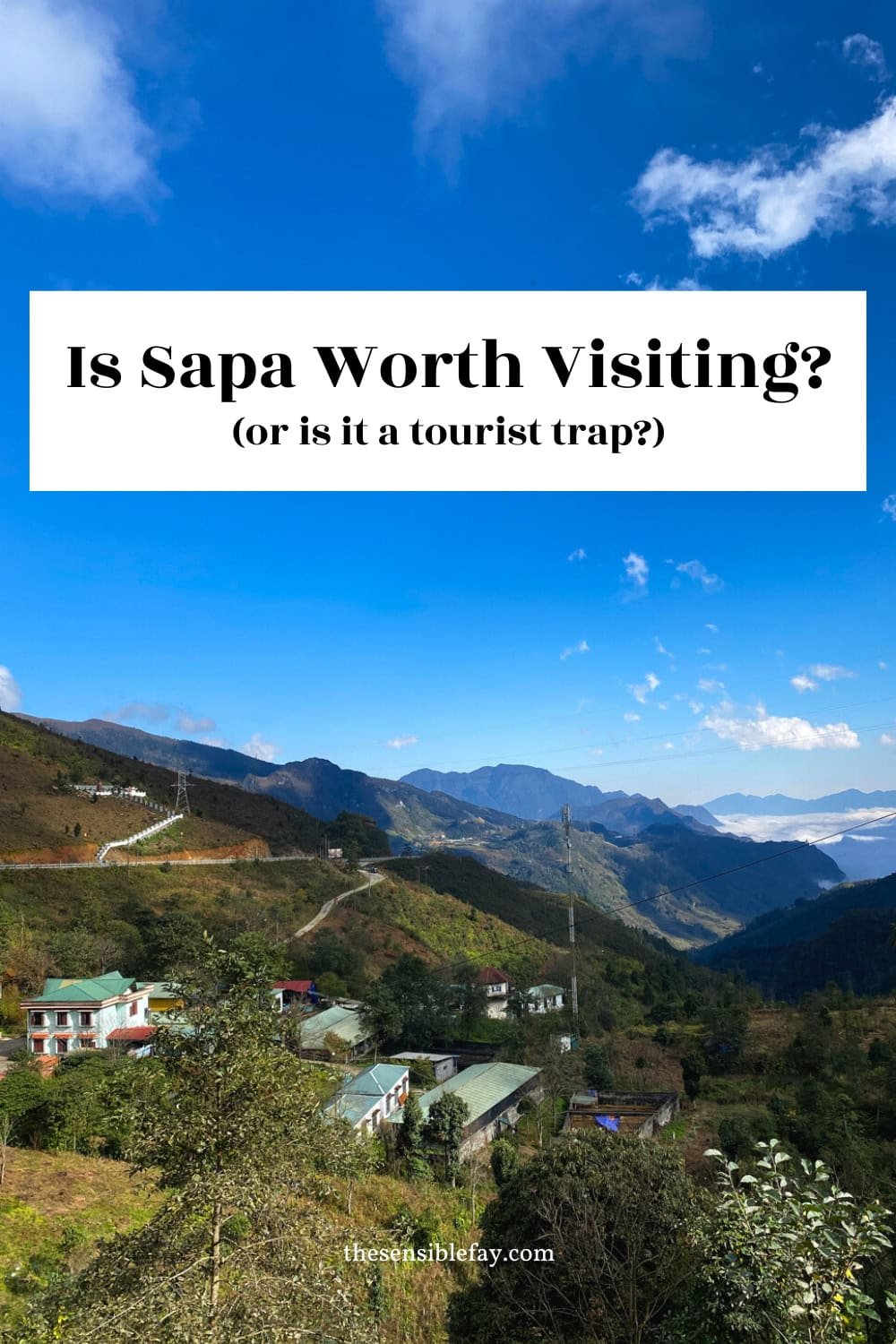
So you’ve got a few weeks in Vietnam and want to know if Sapa is worth adding to your itinerary.
This resort town famous for its misty mountain treks and ethnic minority villages is a convenient overnight bus ride away from the capital of Hanoi, making it a popular add-on for slow travelers and backpackers visiting the country for the first time.
However, it's gotten a pretty bad rap as a tourist trap these past few years, and with Vietnam's tourism boom it feels like challenges have only gotten worse.
So, this article is going to break down if Sapa is worth visiting (I personally think that it is) by presenting some pros and cons and then providing some tips to make the trip more memorable and meaningful should you decide to go.
(Pros) Reasons To Visit Sapa
1. Nature
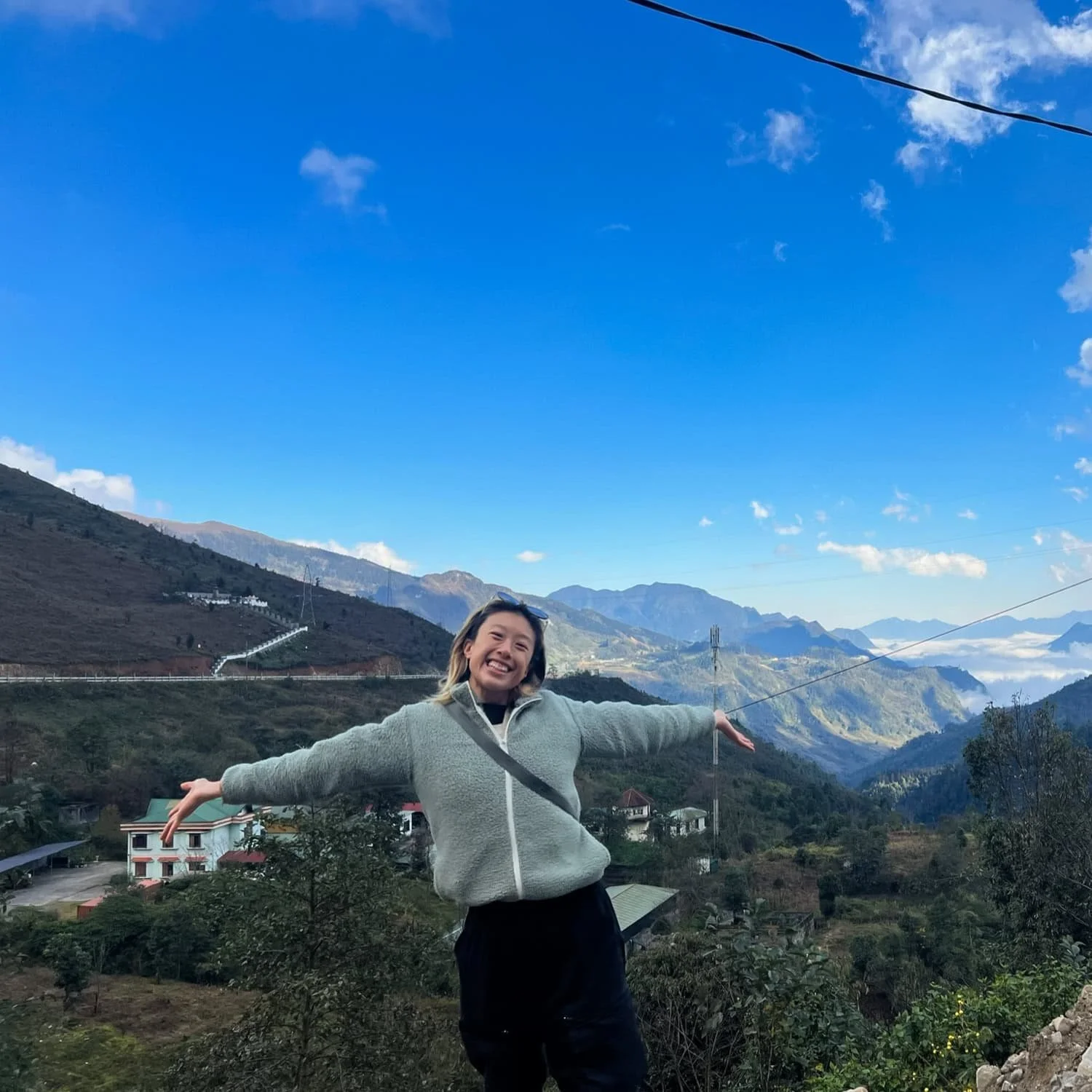
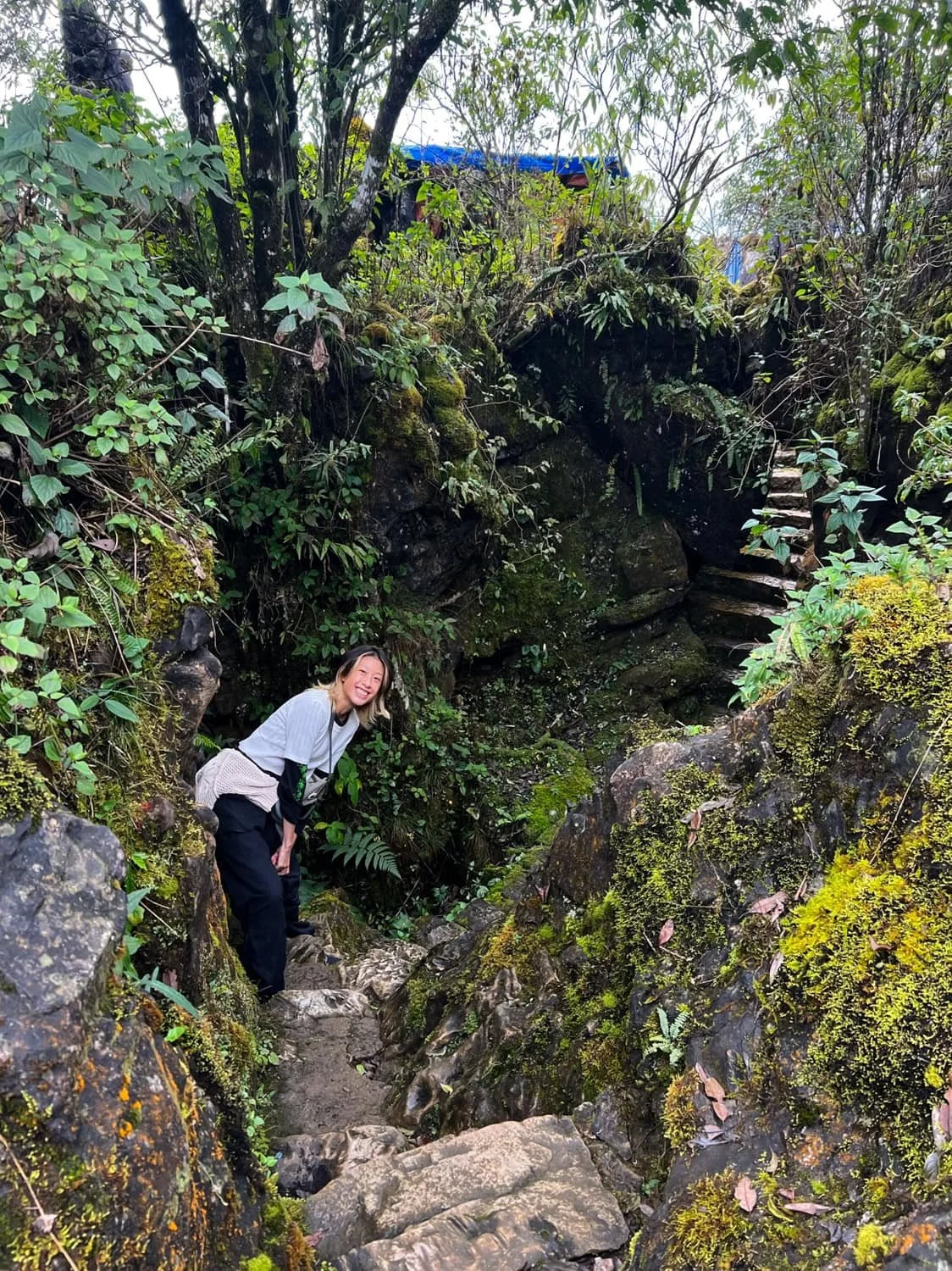
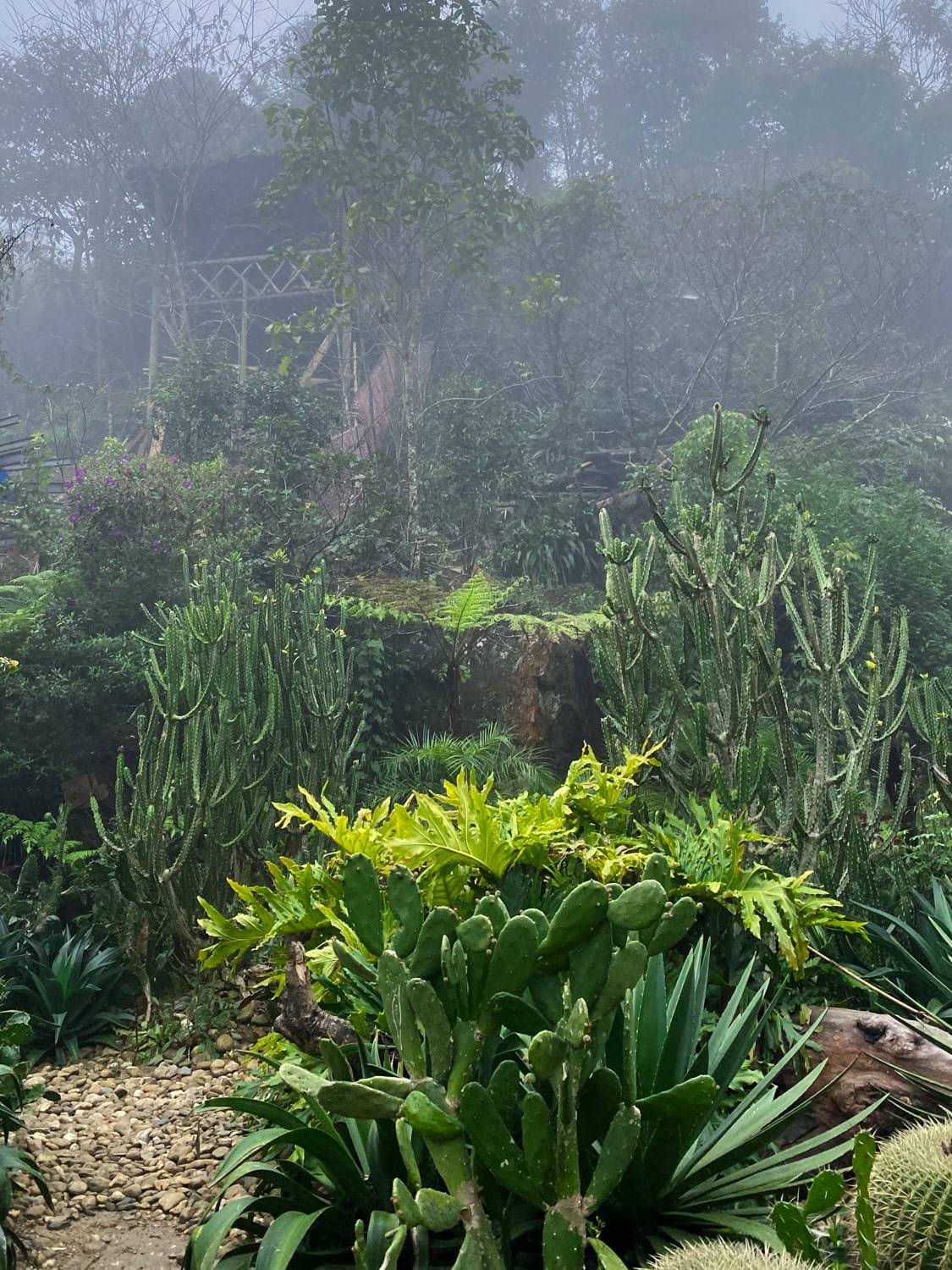
First and foremost, the nature in Sapa is otherworldly.
It's a mountainous region with four distinct seasons that completely change the landscape. You can expect Sapa's signature fog and mist in the winter, delicate azalea and apricot blooms in the spring, lush foliage in the summer, and golden rice terraces in the autumn.
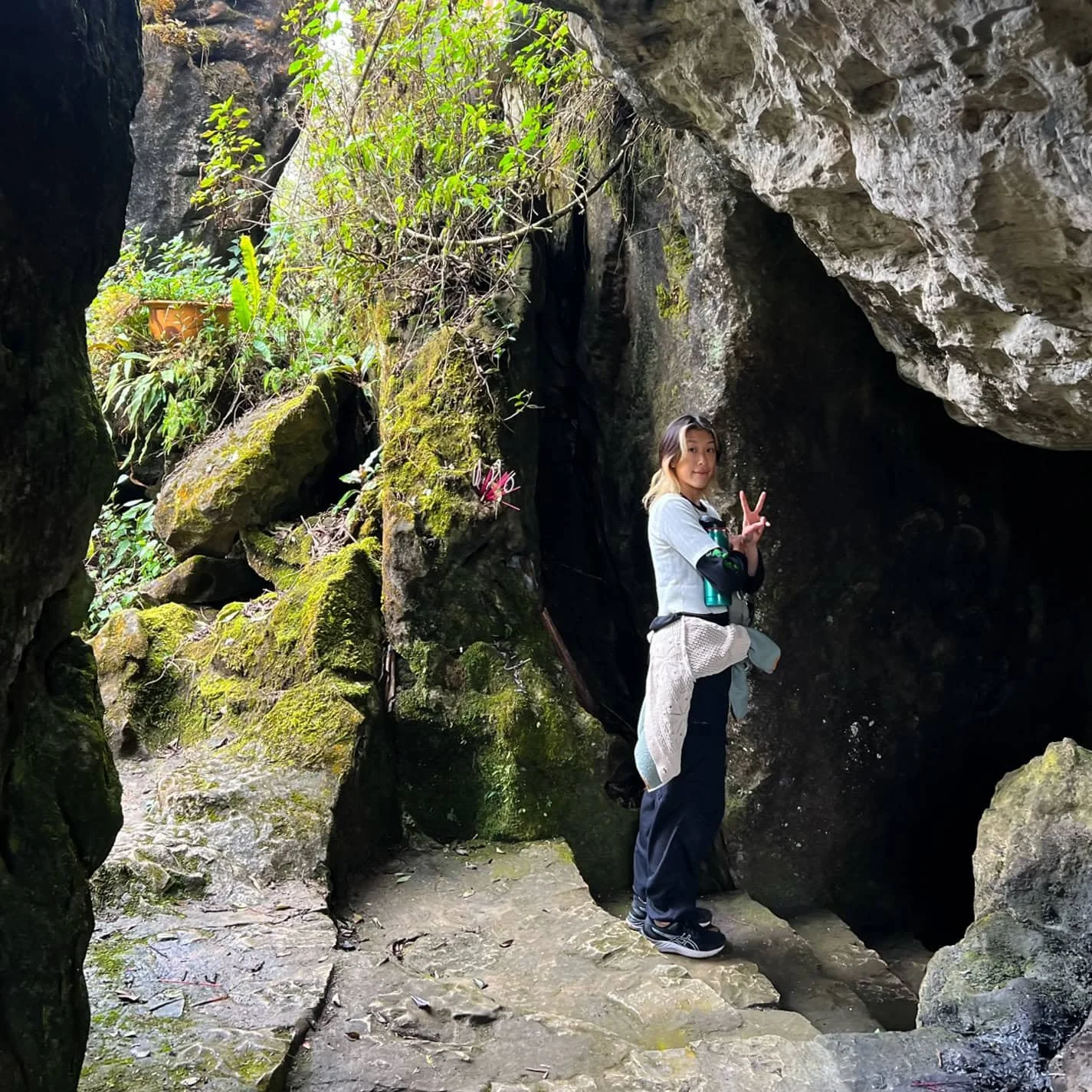
One of my favorite things to do in Sapa was to rent a motorbike and explore the larger Lao Cai province. I got to take things at my own pace and adventure to lesser-known waterfalls, valleys, and villages. It gave me a peek into a more authentic Sapa and provided some space away from the commercial city center.
The region is really famous for trekking so if you have the opportunity to, I'd highly recommend booking a multi-day hike with a local guide. It's really hard to piece together a hike on your own (I've tried) and having a local guide gives you more insight into each of the different villages that you pass and some stories and traditions from the community.
If you're not from a subtropical highland climate, I highly recommend seeing the mountains of Sapa for yourself! They're mystical and moody in a way that cannot be explained!
2. Opportunities For Authentic Exchange
One of the best things about Sapa is the people.
Sure, you get your fair share of scammers and greedy tour guides (more on that later), but you'll also find really genuine people running small businesses, homestays, and leading experiences.
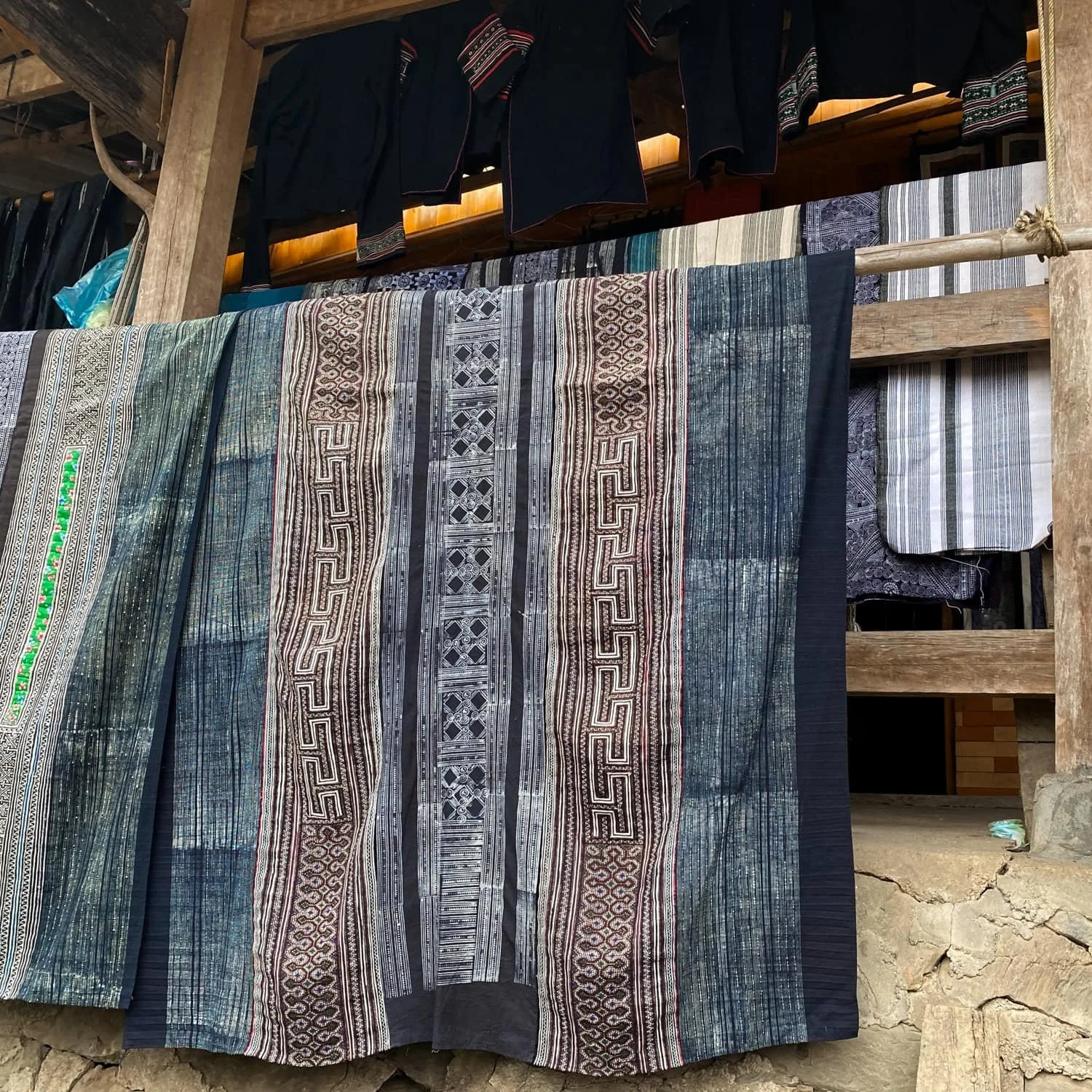
Increase your chances for authentic exchange by booking cultural experiences like batik dyeing, taking a multi-day trek, staying at locally-owned accommodations, or volunteering with a grassroots cause.

3. Vibes
I know, something completely objective and quantifiable, right? 🙈
But to be honest, sometimes regardless of how hard I try, there are no concrete reasons to justify why I like a place.
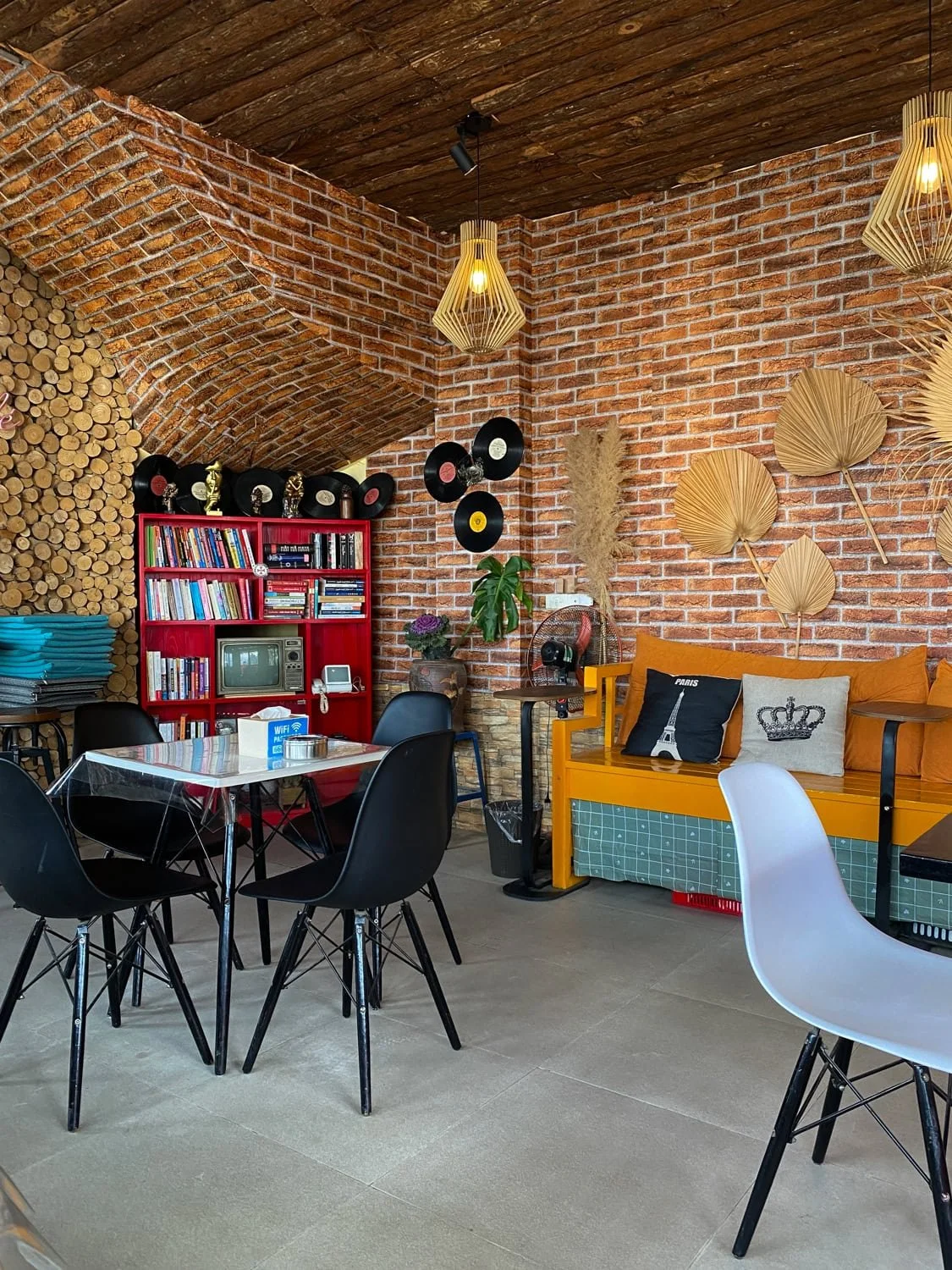
Sapa is undeniably touristy, commercial, and expensive at times, but I still enjoyed the vibes.
It's a mountain town built around a lake, with fairy lights strung among adorable buildings, and a romantic ambiance of gentle mist and fog drifting in and out... what's not to love?
Maybe it's because I'm Taiwanese and feng shui is something that I unconsciously register, but something just felt good about the place.

(Cons) Reasons To Skip Sapa
1. Poverty and Exploitation
In all of my travels, Sapa is probably the number one place where I felt a huge difference in income equality. On one hand you have five star resorts built on the city's colonial past and on the other, you have children who were taken out of school to dance and sell trinkets in the street for a few cents.
Seeing the poverty and exploitation with my own two eyes was infuriating but because the local economy is so reliant on tourism, to step away because of my own discomfort also feels irresponsible.
I think our role as travelers is to choose experiences that help foster authentic exchange and make the experience enriching for all communities and people involved. Only that way can we foster greater systemic change and sustainable development.
2. Outdated Systems Of Tourism
Sapa town in particular can feel very much like a tourist trap.
The town was rebuilt during colonial French times as a retreat and escape for the rich, and since then, tourism has played a huge role in its economy and everyday life.
With the increase in tourism during the ’90s, it’s no surprise that much of the region’s infrastructure grew out of a mass-produced and extractive model of travel.
One of the most frustrating parts about visiting Sapa is how cookie-cutter the central town is.
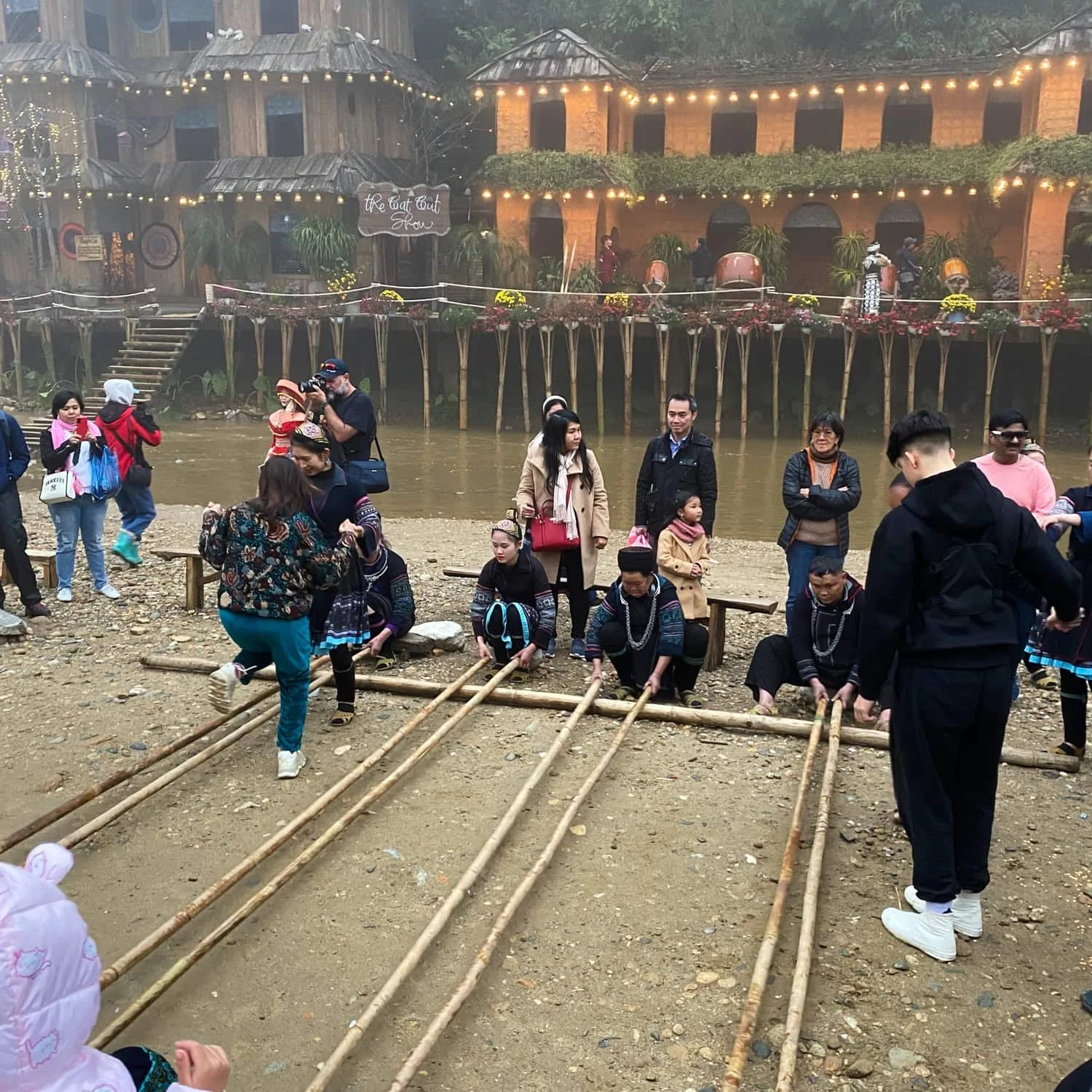
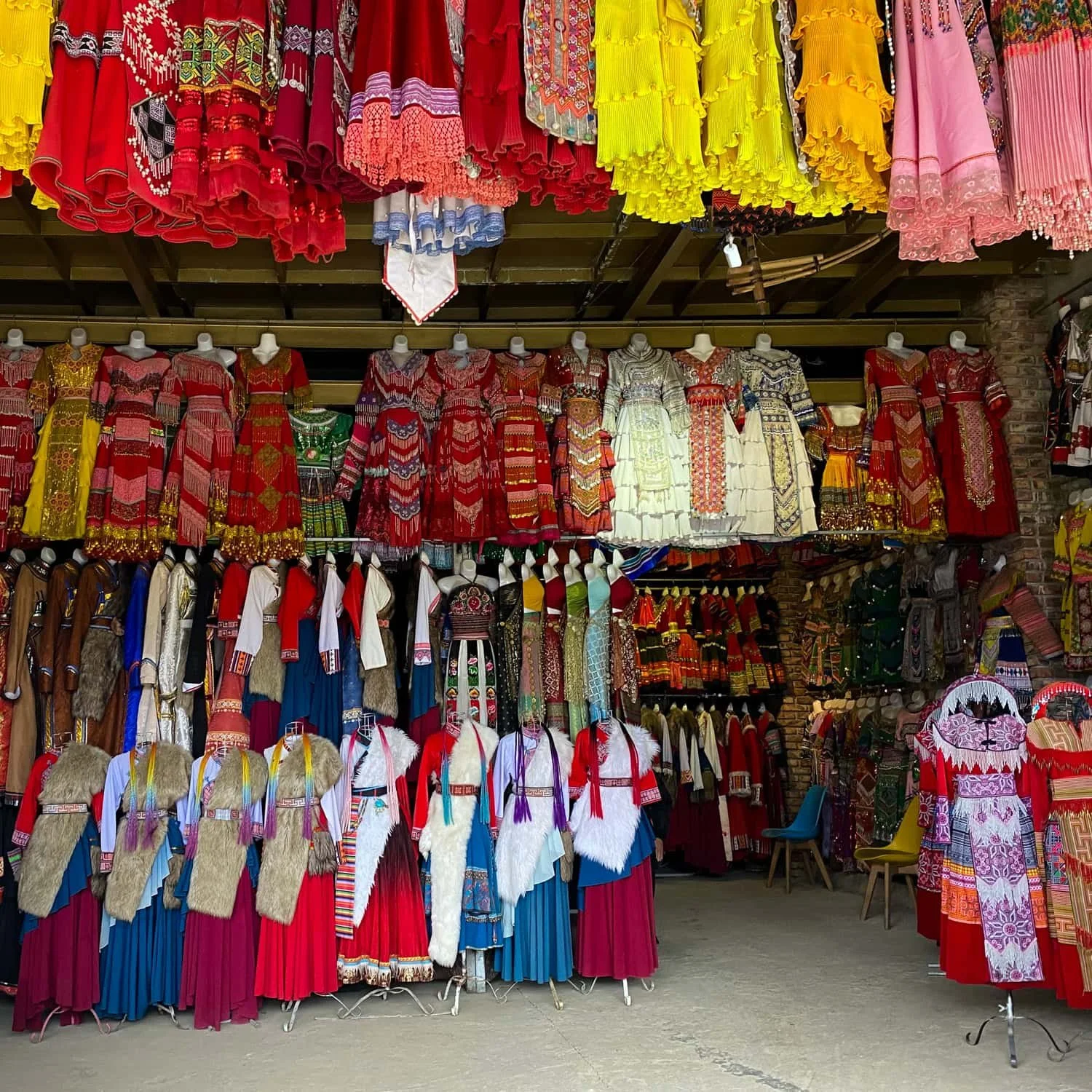
You'll find the same commercial junk in all of the shops; the restaurants feel templated, highlighting only a few of the region's signature dishes; and cultural villages like Cat Cat Village offer only a superficial take on rich cultures that deserve deeper exploration.
The whole experience is mildly disappointing and weirdly reminiscent of some overtouristed areas in Thailand.
Oh yeah, beware of the pushy bracelet sellers and note that the restaurants in city center are quite expensive by Vietnamese standards (but the portions are massive so it's debatably worth it).
3. Safety
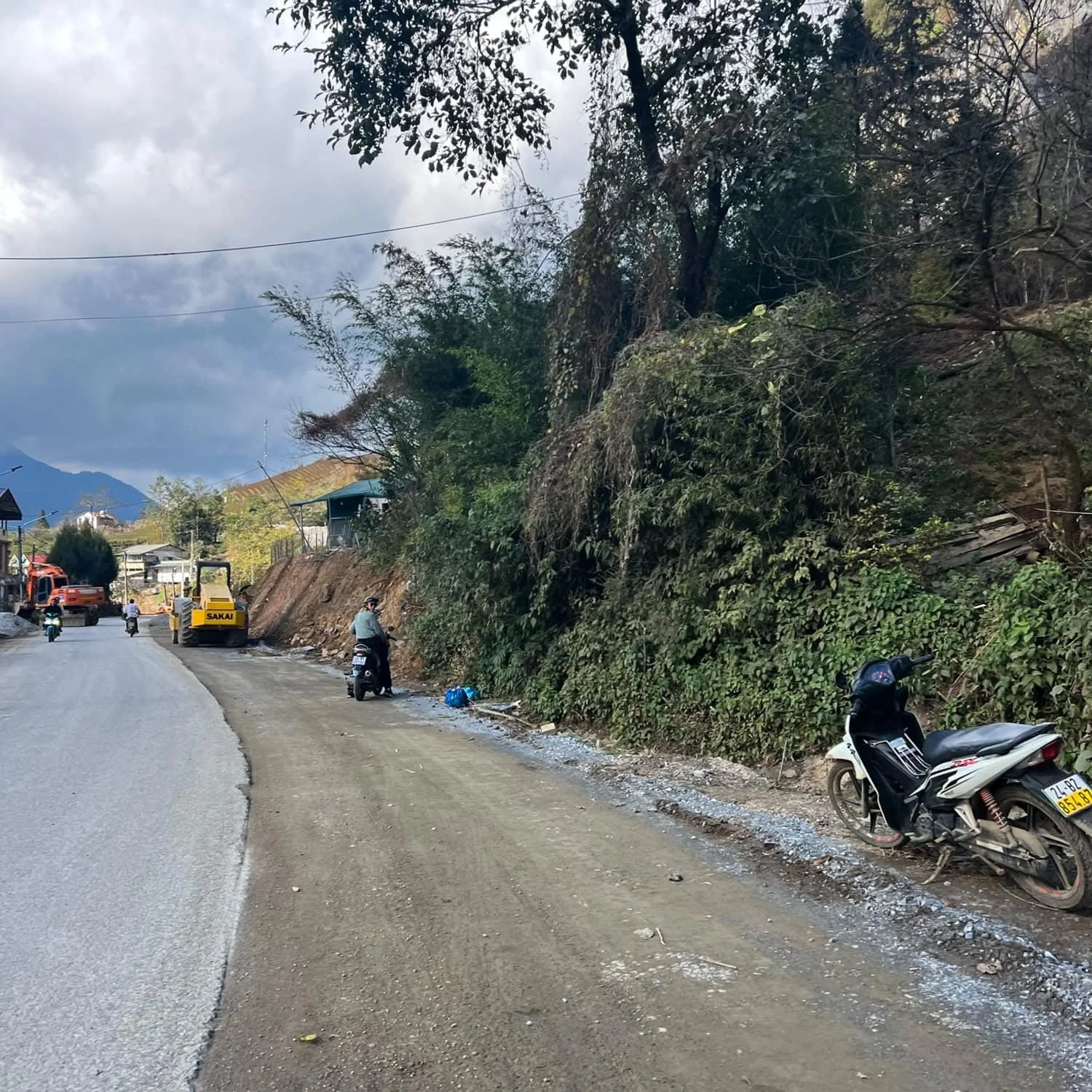
Sapa can be a little dangerous!
I'm not (really) talking about personal safety, but more referencing the environmental and road-related risks... you know, landslides, car crashes, sprained ankles, etc.
But you're in Vietnam for the adventure, right?
And let's be real, even in Taiwan and Japan, landslides happen all the time... it's simply a matter of geography.
That being said, the infrastructure for healthcare and road support is pretty much nonexistent so you should definitely keep that in mind (and buy travel insurance) when deciding whether or not to visit Sapa.
Oh yeah, there are also a lot of scammers in Sapa so keep your wits about you and get a feel for appropriate pricing beforehand.
Is Sapa A Tourist Trap And Is It Still Worth Visiting?
The main town and parts of Cat Cat Village definitely are... but that being said, I would still recommend visiting it!
Like any touristy destination, it's beautiful once you step away from the center of it.
I had a great time wandering the little mountain alleys, enjoying delicious pho with the local uncles, exploring cute cafes, and scooting to the waterfalls and trails that were further from city center. Even in places like Cat Cat Village, you can find moments of quiet and genuine connection.
So a lot of it is in setting your expectations and shifting your perspective.
If you have three or four days, I would recommend going because then you have the time to wander further from the typical tourist trail. However, if you only have one or two days, it's probably best to skip it (unless you're going solely for the trekking).
Tips To Make The Most Of Your Sapa Experience
Your Sapa experience is entirely what you make of it. I always recommend trying the touristy things out on your first go-around but leaving space in your itinerary for spontaneous decisions and to get to know the place more intimately. Here are some tips for a more mindful and intentional Sapa experience:
1. Stay At A Homestay
Many of the homestays in Sapa are run by ethnic minority families who have lived in the villages for generations. By choosing to stay with them, you not only give directly back to the community but also get a chance to learn more about local customs and hear stories that you simply don't get when staying at a hotel.
2. Volunteer If You Can
Alternatively, you can browse websites like Wordpackers for volunteer and exchange opportunities! Choose something that you're actually qualified to do (aka don't teach English without the proper qualifications to do so) and brainstorm ways that you can actually give back while traveling. Just make sure to check the reviews and calculate whether the exchange is fair for you as well...
3. Avoid Doing Things That Exacerbate The Problem
Where you spend your money makes a huge difference. Choose to support small, local businesses and avoid giving working children your money. It can be really tempting (because we're human, after all) but doing so ultimately hurts them in the long run. If we want to make a difference, it's best to support the initiatives that promote sustainable growth (education, business skills, etc).
4. Opt For Experiences
One of the easiest ways to visit Sapa mindfully is to book an experience with a local provider! Whether it's trekking through rice terraces, learning traditional beeswax batik printing, or a cooking classic Hmong dishes, these experiences give locals a way to share their culture and skills while also supporting them financially for a better future.
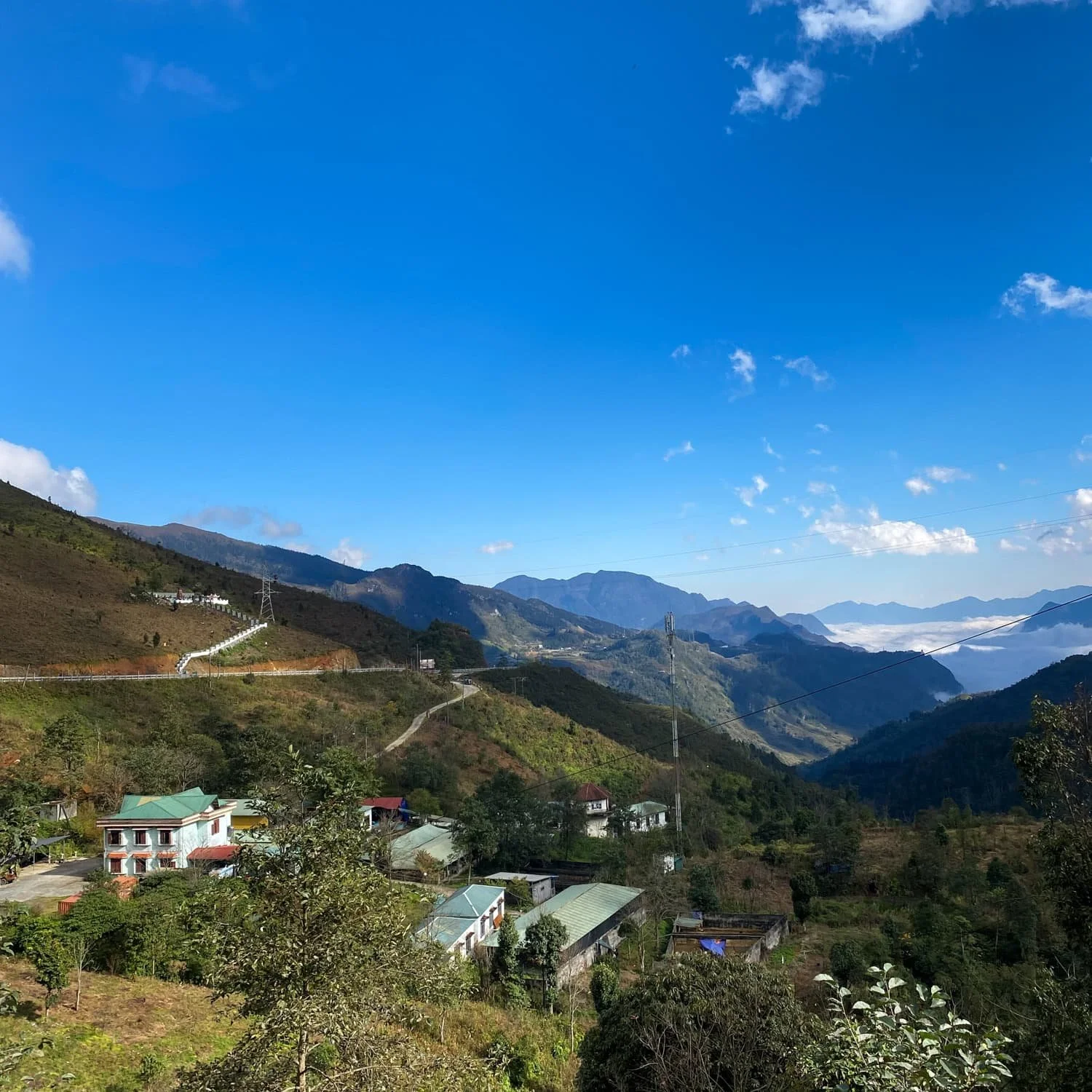
On the surface, Sapa definitely can seem a little bit like a tourist scam, but I still think it’s worth a visit. The nature, people, and vibes make it a really memorable experience and if you’re spending a longer amount of time in Vietnam I definitely think it’s worth your while.
Begin planning your Sapa trip with this full three day itinerary or browse the best things to do in Sapa here. If you're trying to figure out where to stay, I highly recommend Ta Van Village for a quieter experience or staying directly in town if you want the most convenient option.
Once you're done exploring Sapa, head back to Hanoi for incredible egg coffee or continue on north to Ha Giang and attempt the infamous Ha Giang Loop!
More On Travel In Vietnam:
PIN THIS FOR LATER