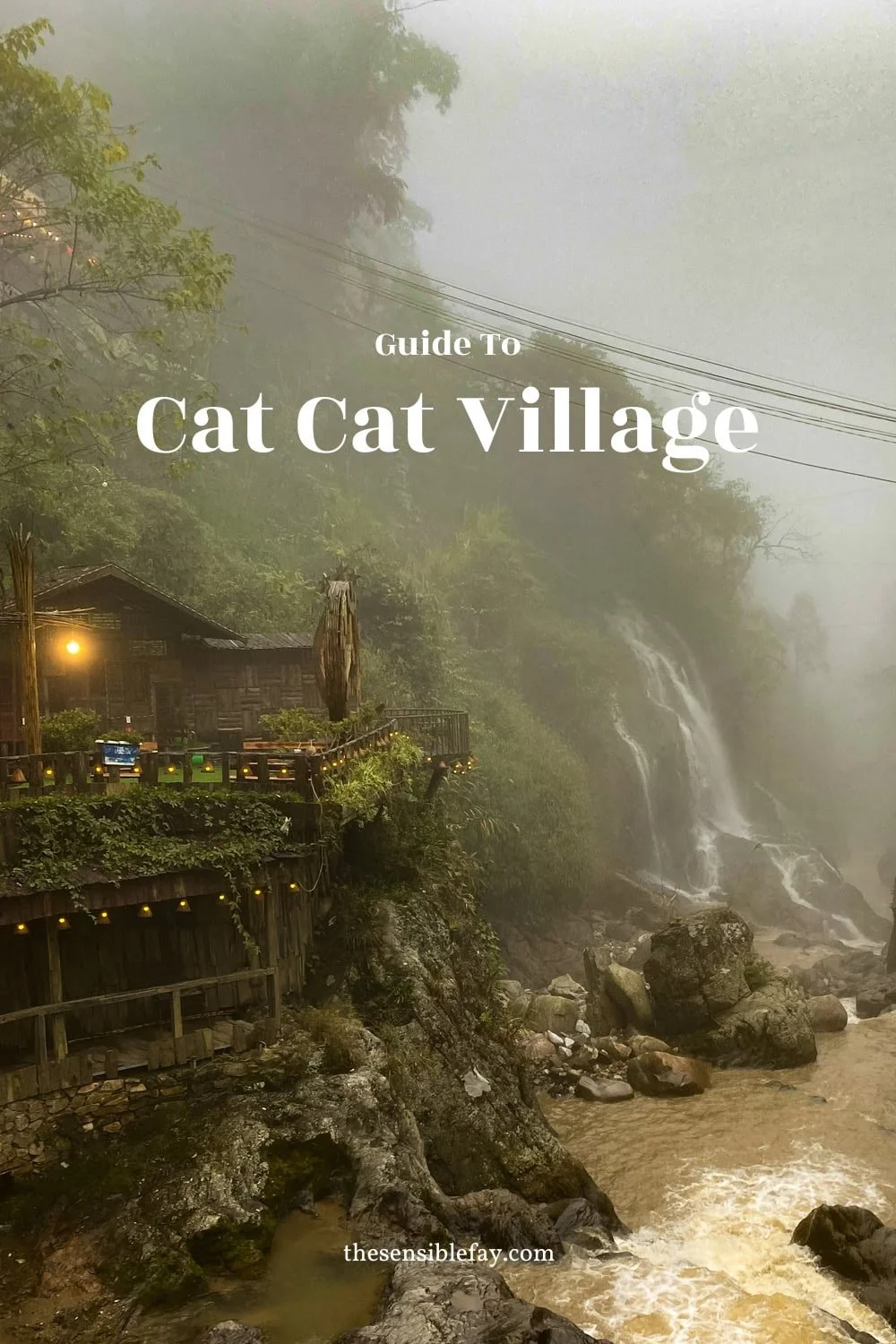
Cat Cat Village Guide

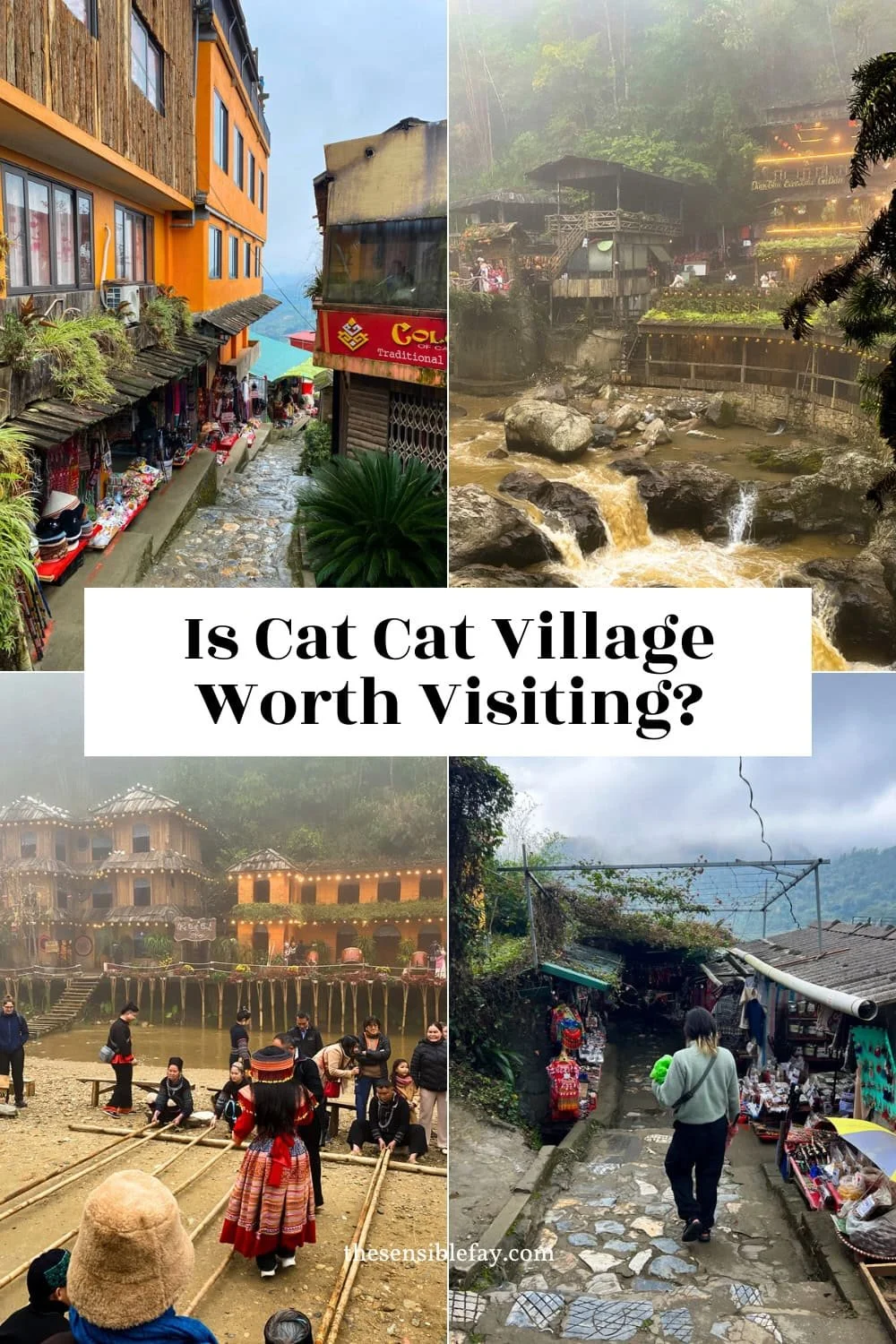
Cat Cat Village is one of the most popular things to do in Sapa, but is it actually worth visiting? Personally, I have mixed feelings.
One one hand, it's super touristy and very much a curated cultural village (vs an actual place that people live in). On the other hand, it's a quick introduction into traditional H'mong culture that you might otherwise not get to experience.
Personally, I was able to find some quiet moments to appreciate the nature and culture, but still felt that my time and money could've been better spent on a small group experience or trekking tour with a local guide that offered a more intimate perspective.
But let's dive a little deeper: this Cat Cat Village Guide will walk you through how to get there, what I liked about the experience, what I disliked, and ultimately how to decide for yourself if it's worth adding to your itinerary.
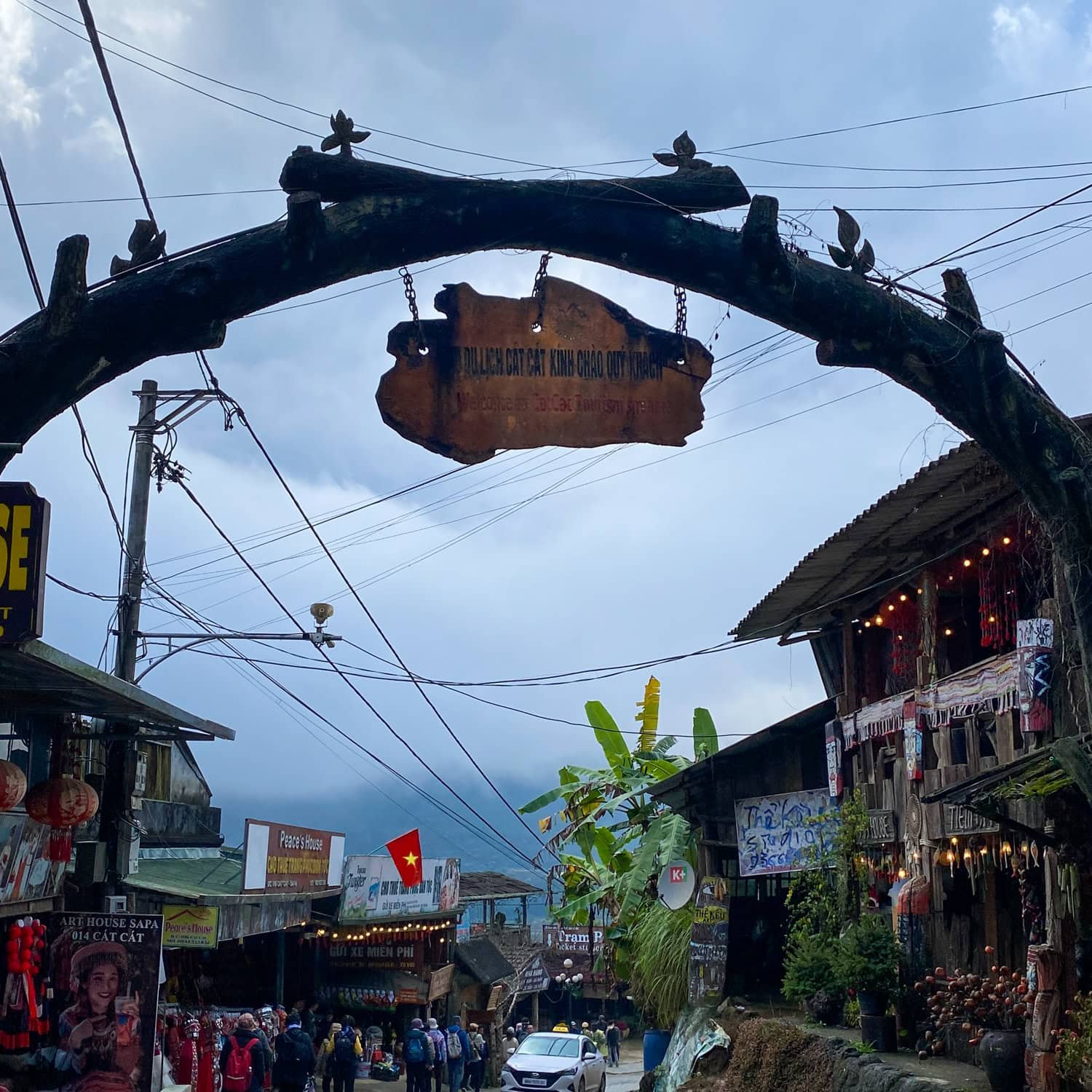
What Is Cat Cat Village?
Cat Cat Village is an ethnic minority village nestled in the Muong Hoa Valley just outside of Sapa, Vietnam.
It's home to the Black H'mong people that have communities across Vietnam, Laos, Thailand, and Myanmar. They're called the Black H'mong group because their traditional attire features deep blue (almost black) indigo-dyed garments layered over long black embroidered dresses and short trousers.
Cat Cat Village was established in the mid-19th century by the H'mong people, but gets its modern name from the French colonialists who visited the area during the tourism boom of the early 20th century.
Nowadays, it's most famous for its nature (rice terraces, wooden stilt houses, and of course, Tiên Sa Waterfall) and traditional H'mong crafts.

How To Get To Cat Cat Village From Sapa
Cat Cat Village is located on the outskirts of Sapa Town and is best accessed by taxi or walking.
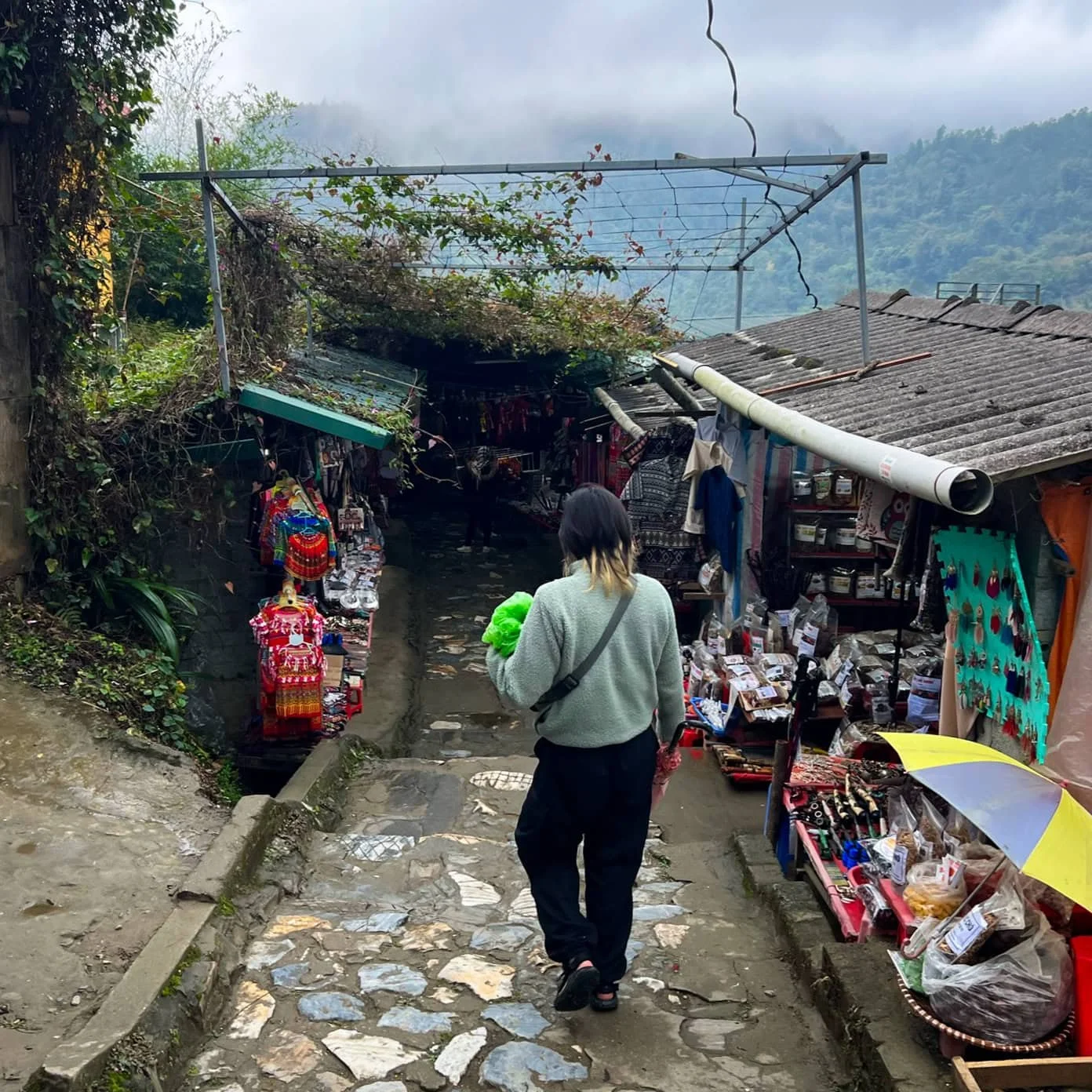
Taxis in Sapa tend to be quite expensive so my friend and I decided to walk there. It's an easy, relatively flat, 40-minute trek along the main road. We just followed the Google Maps directions to Cat Cat Village Entrance / Ticket Station and it was a pretty straightforward experience.
(For details on how to get from Hanoi to Sapa, I write a whole article here.)

Cat Cat Village Opening Hours & Ticket Prices
Cat Cat Village is open everyday between 6am - 6pm. Some accounts report that the village closes later (9pm) but it's probably best to just stay within the established timeframe.
I recommend getting there there around 9 or 10am for the best experience and ample time to explore.
Tickets cost 150,000 VND (~$6 USD) for adults and 70,000 VND ($2.60 USD) for children up to 1.3 meters tall. As of 2026, you can only get tickets at the entrance so make sure you bring cash!
My Cat Cat Village Experience
Walking There
We set out for Cat Cat Village around noon. Luckily, it was just slightly misty that day so we didn't have to worry about walking in the pouring rain.
The roads in Sapa Town are (relatively) well-managed, once you leave, you're on an unpaved dirt path. It's pretty well-marked but just make sure that you have sturdy, slip-resistant boots and keep an eye out for traffic, landslides, and construction (as if you needed another reason to buy insurance 🙈).
We ran into some village ladies selling bracelets along the road and my friend nearly got scammed into buying one. Sometimes they'll do that trick where they chat you up and pretend to gift you a bracelet by tying it on your wrist. Once it's on your arm, they'll coerce you into donating money or demand payment afterwards. It's best to just maintain a safe and friendly distance.
Buying The Entrance Ticket
The ticket booth is right at the village entrance. You can't miss it.
Everything's clearly marked with official prices so you just hand over the cash and get a paper ticket in return. They don't really check it afterwards and there are no discounts or coupons with your purchase, but it's a great stub for your travel journal!
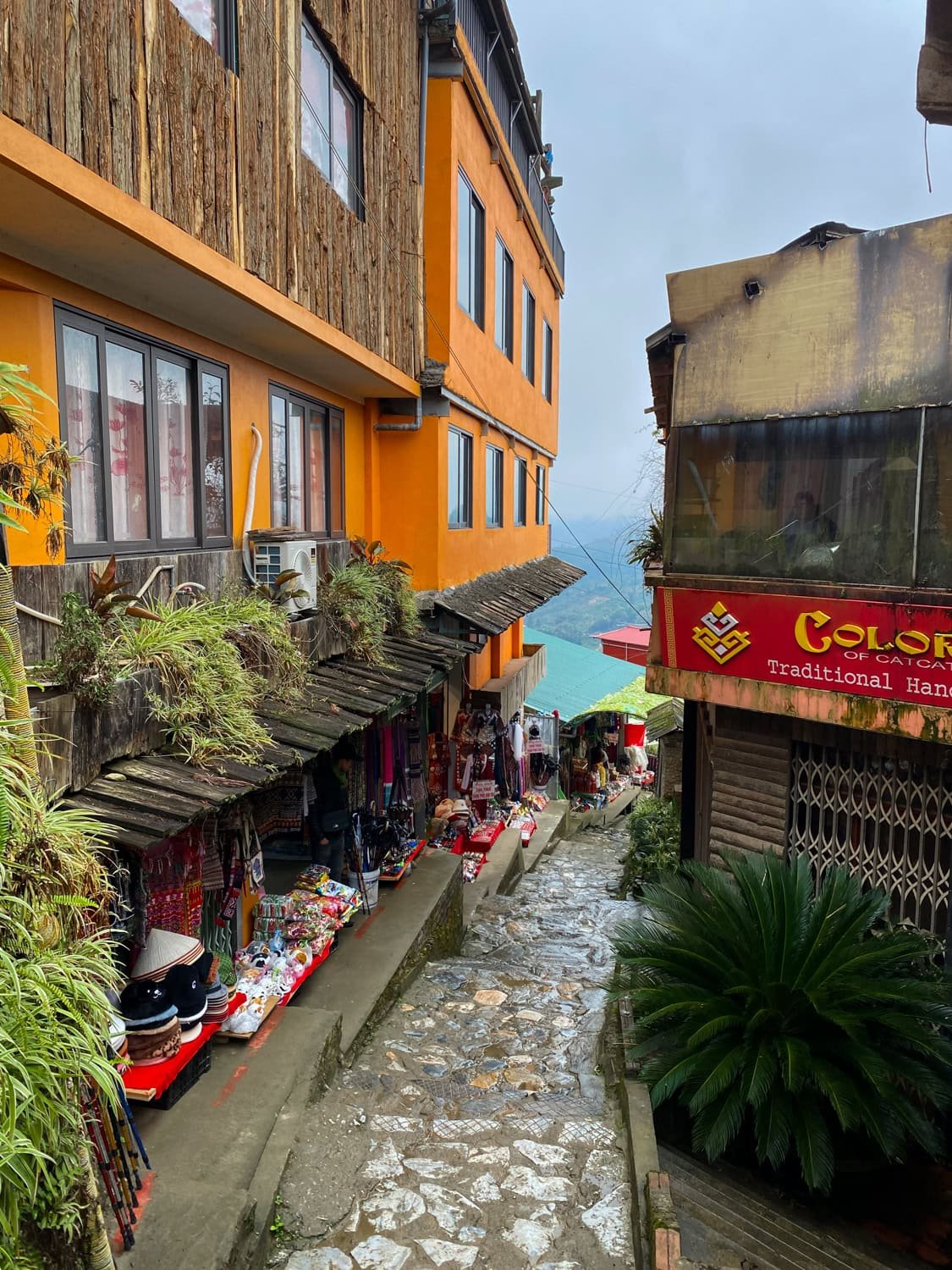
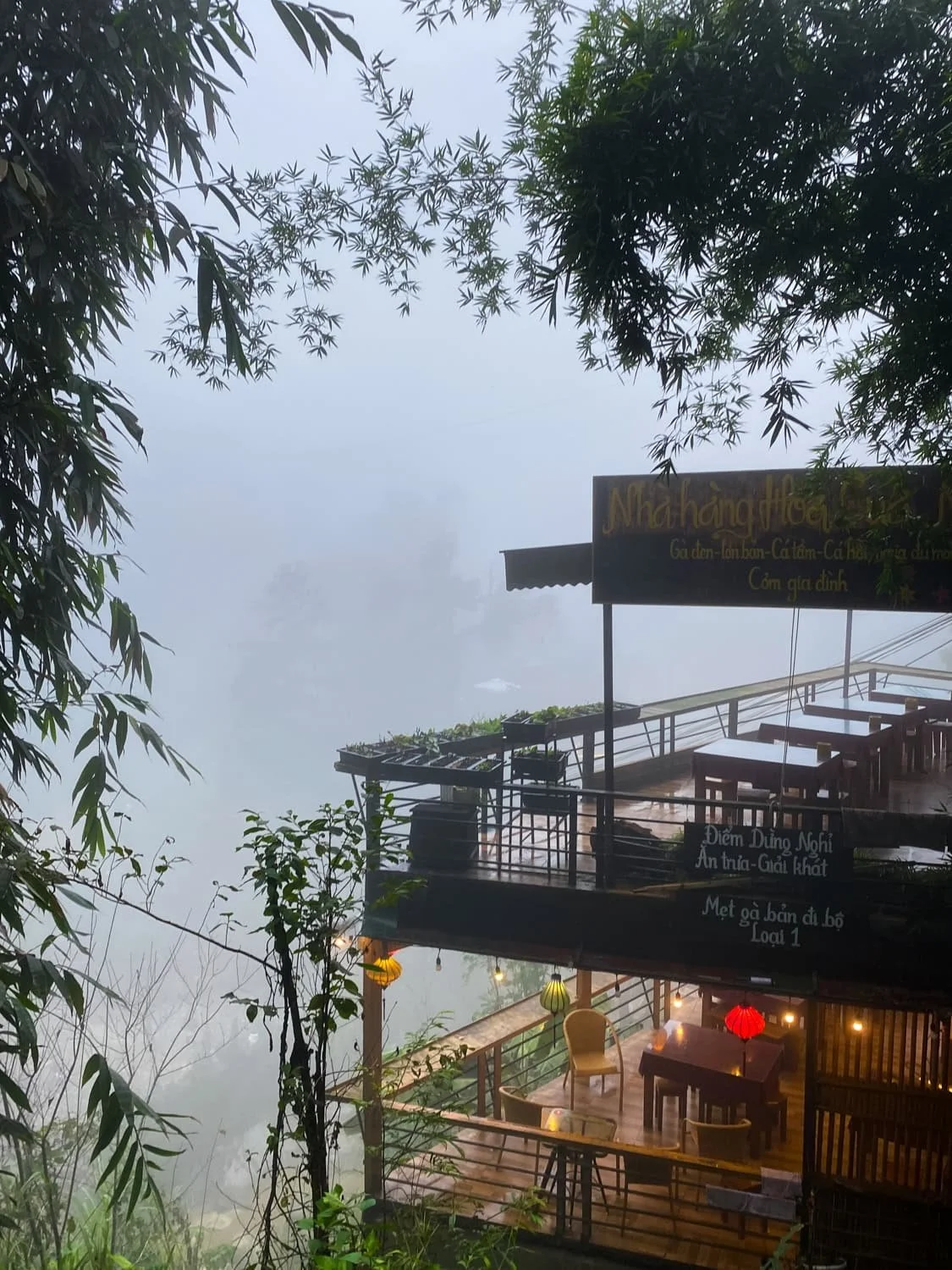
Things To Do In Cat Cat Village
Wander The Village
One of my favorite things to do anywhere is literally to walk around. Maybe that's because I'm a native New Yorker, but I feel like there's so much that you can see when you slow down and take things on foot.
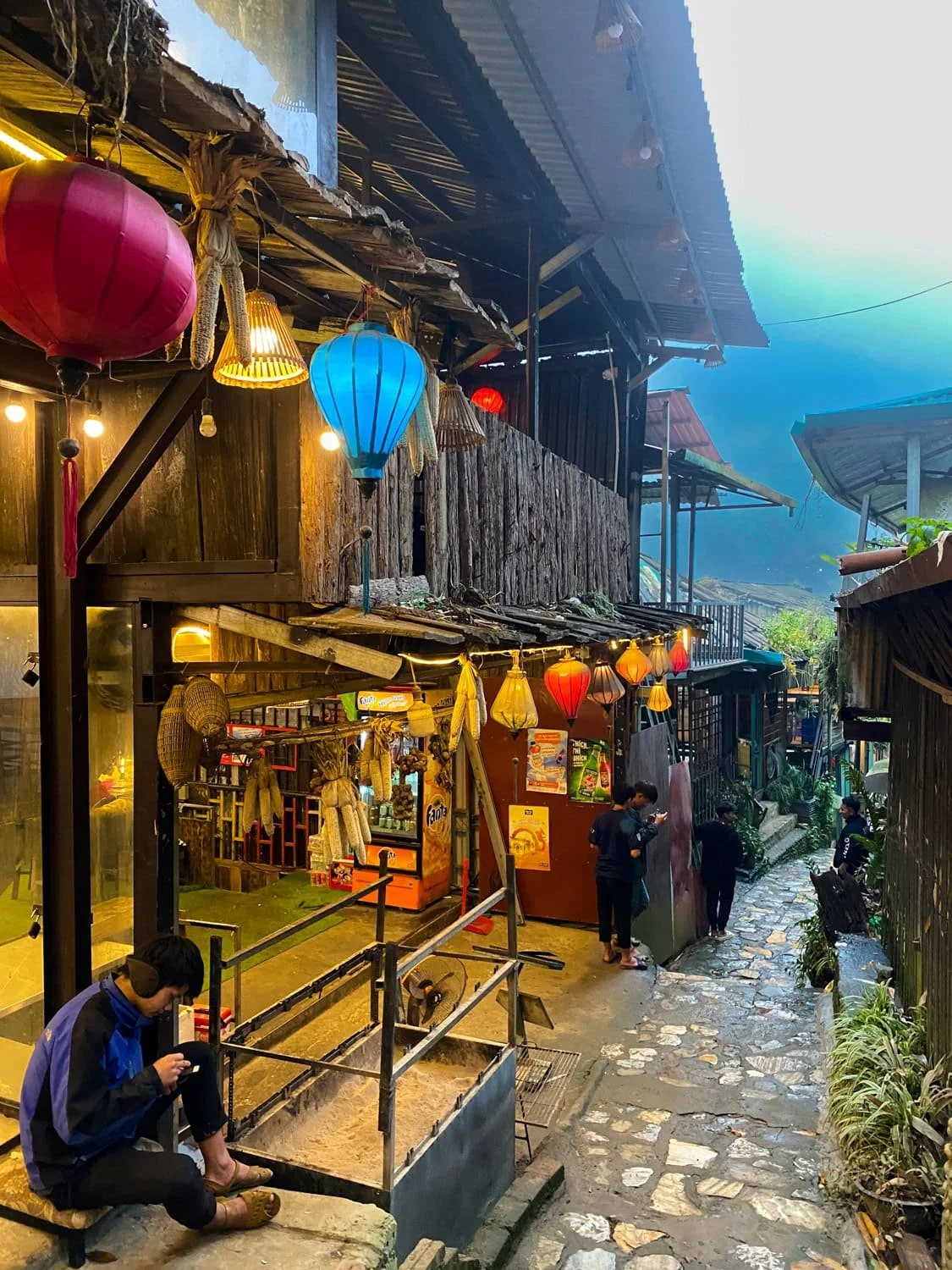
Cat Cat Village can get crowded at the center, but if you take the time to wander the small alleys and loop into hidden crevices of the village, you'll find beautiful sights and experiences that most tourists miss!
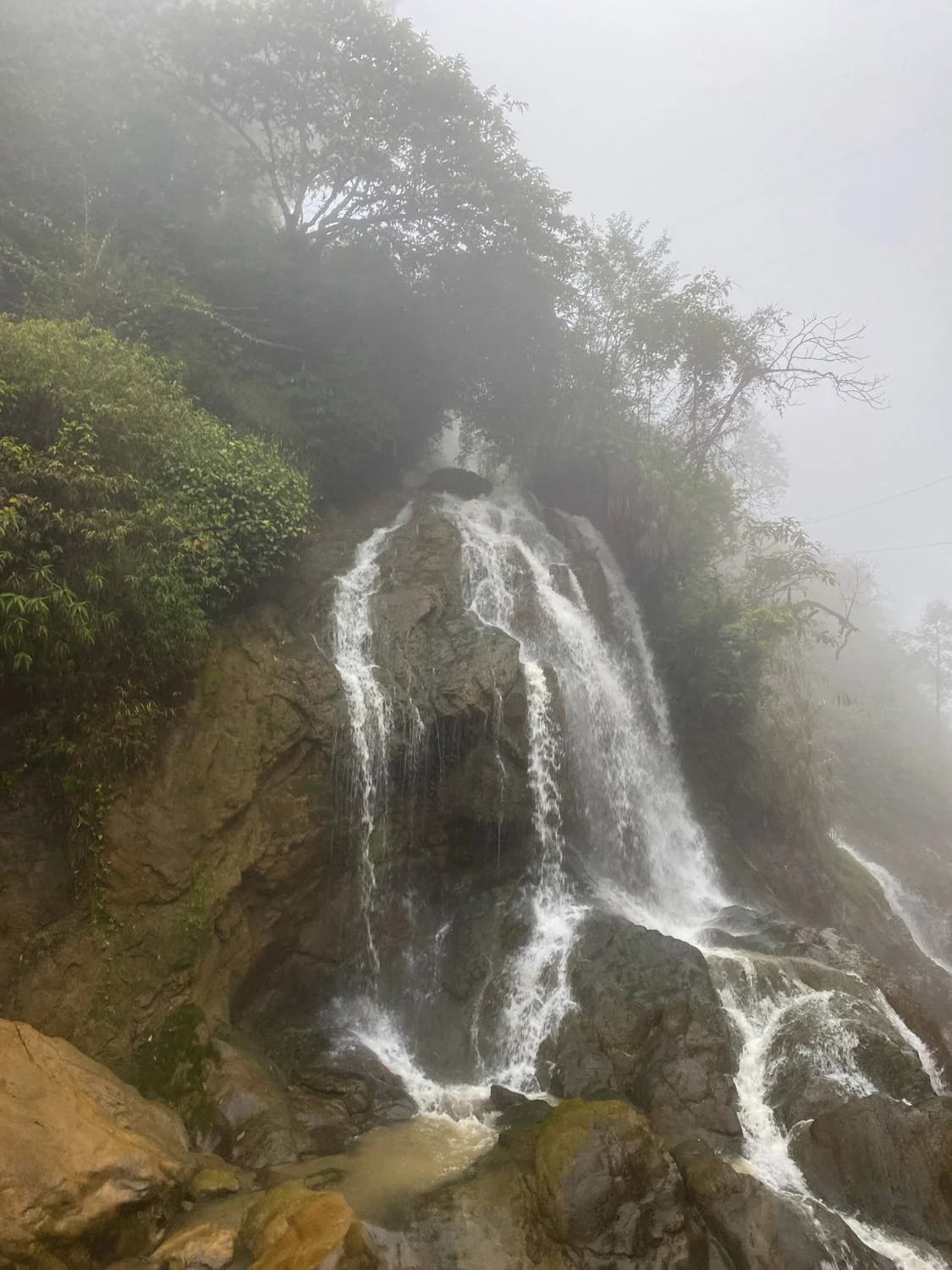

Visit Tien Sa Waterfall
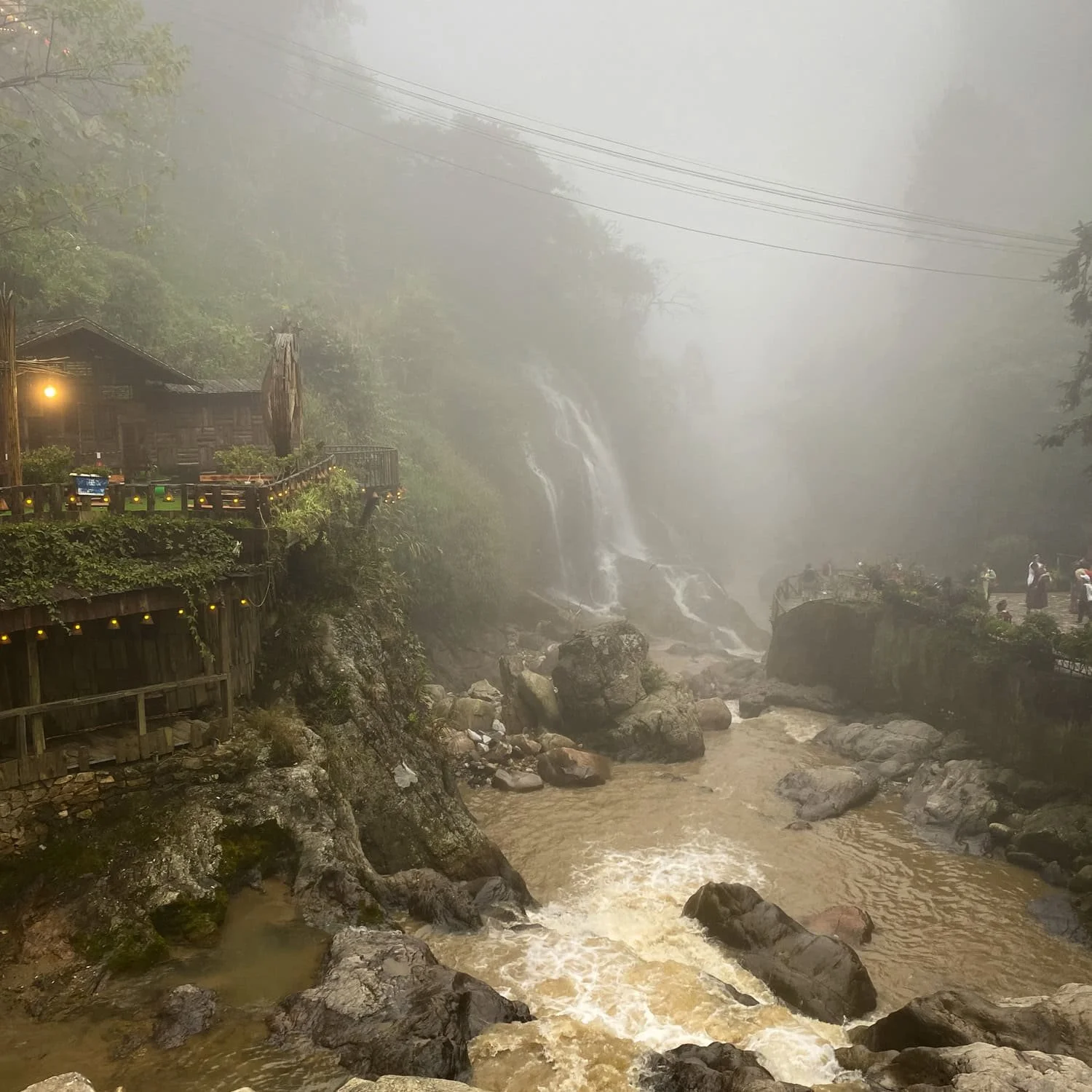
Tien Sa Waterfall, or Cat Cat Waterfall, is one of the village's main attractions!
It's located in the center of the village and fed into by the streams of the greater Hoang Lien Son mountain range.
While it's not the tallest or most dramatic in the region, it has a calm and grounding vibe, providing much-needed stillness in juxtaposition to the more chaotic tourist village.
If you're feeling overwhelmed by all the other visitors in Cat Cat Village, take a few minutes to just zone out and stare at the waterfall. Trust me, it'll help you reset for the rest of your experience.
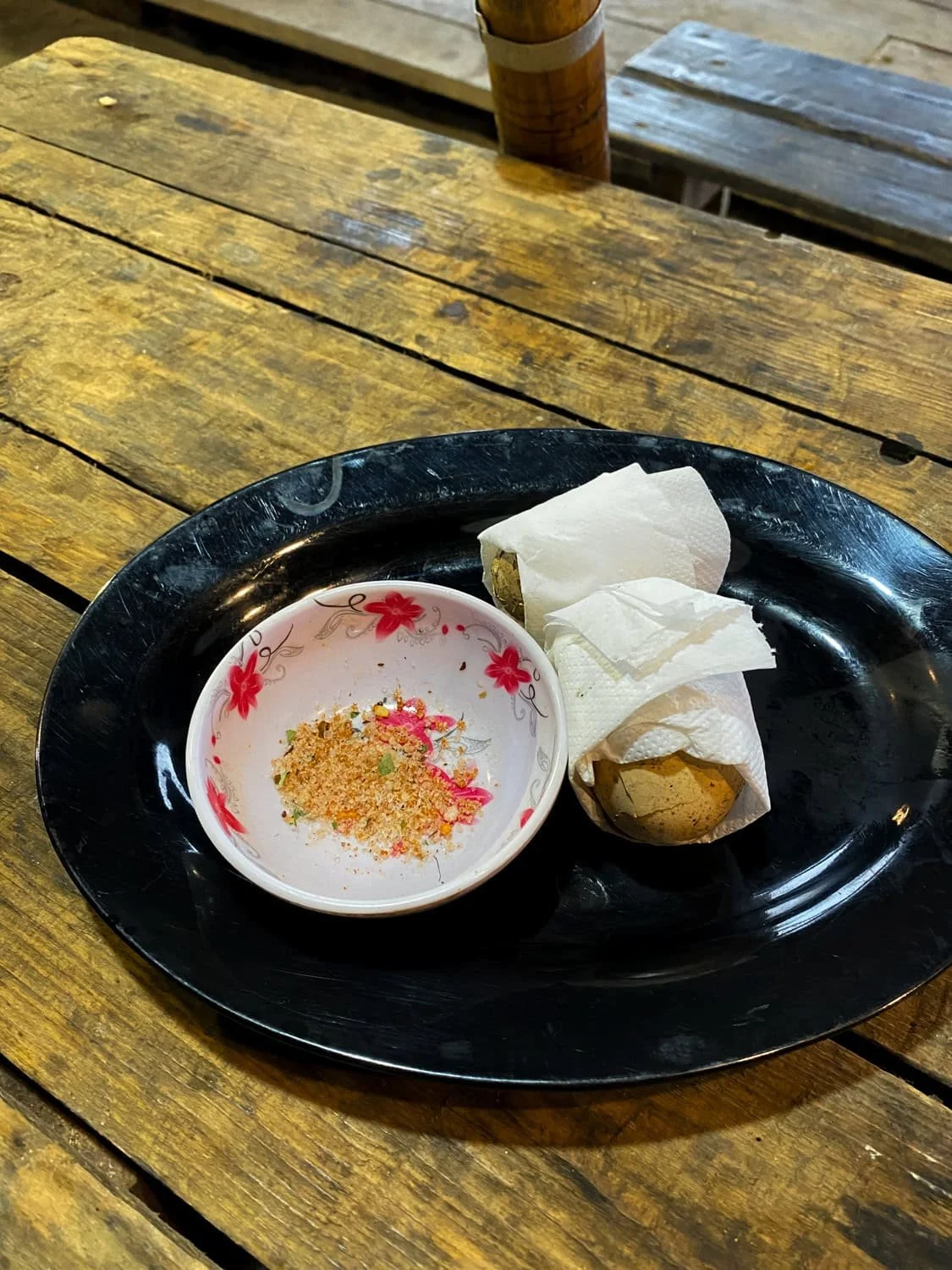
Eat Traditional Snacks
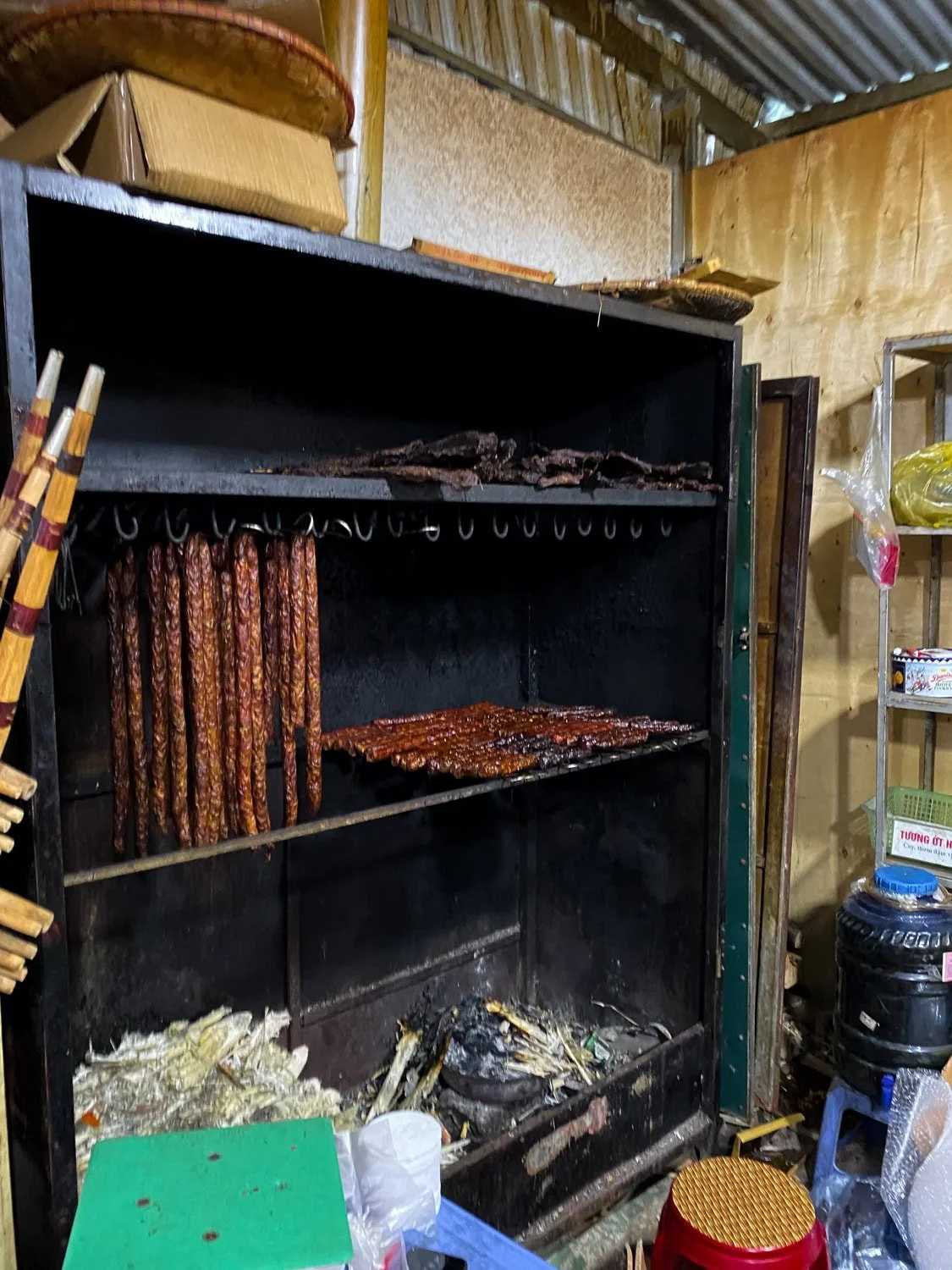
Sure, there are proper restaurants in Cat Cat Village, but we enjoyed the little snack shacks more.
Spend your time trying local delicacies like buffalo meat, corn wine, and seasonal fruits! We also refueled with bamboo-tube rice (really cool to see because Taiwanese indigenous people have this dish too!), grilled eggs, and chicken wings!

Watch The Cultural Show
Cat Cat Village offers a free cultural show at the center house multiple times a day (9AM, 10AM, 11AM, 2PM, 3PM, and 4PM).
It's definitely a demonstration and a performance, and while it's not the most authentic experience, its an invitation to participate and exchange in some fun regardless!
You're already here, so why not. Let's see if you're agile enough to not get your ankles smashed by some bamboo sticks!
Do Touristy Things: Snap Photos, Buy Trinkets, Wear Cultural Costumes
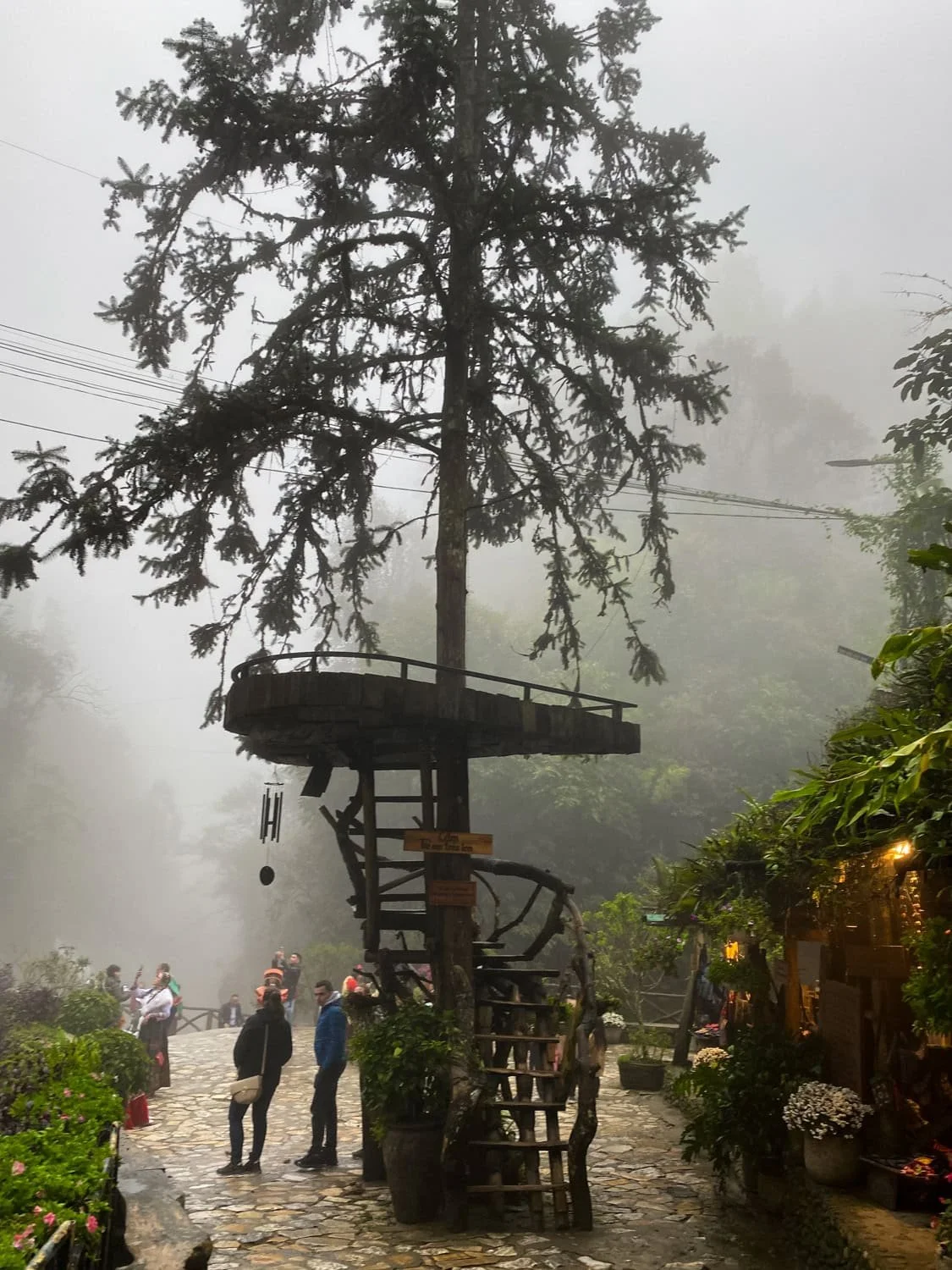
Cat Cat Village is a tourist village after, so some of the appeal is in doing touristy things.
Around the village, you'll find Instagrammable structures for photos including the incense display at the entrance. I've noticed that a lot of Vietnam travel is centered around these photo setups (understandable for family and group travel) but I personally just prefer more candid and organic experiences.
You can buy locally-made traditional handicrafts including embroidered goods, indigo-dyed hemp and flax clothing, silver jewelry, and hand-carved toys. These items give directly back to the local artisans and make for unique souvenirs!
Another popular activity to do in Cat Cat Village is to wear traditional H'mong clothing and have shop owners take photos for you. The funds go directly back to the community, but I personally opted out of it because it felt like cultural appropriation knowing that the minority group was persecuted within their larger society.

How To Responsibly Visit Cat Cat Village
First off, I would like to say that Cat Cat Village isn't necessarily unethical.
It's perhaps superficial and extractive to a certain degree, but it is also genuinely providing a livelihood for people in the region.
That being said, we can always be more responsible with how we engage as ethical travelers, so here are some tips on how to do so:
Opt for a homestay near or around Cat Cat Village: this not only gives you the opportunity to experience the area after dar, but you can get to know your hosts and their stories a little better.
Book craft experiences: rather than just pass through and buy a trinket or play dress-up, take the time to book an experience with a local. You'll learn exactly how the crafts are made and gain a deeper appreciation for the legacy behind it.

How To Decide If Cat Cat Village Is Worth It
For me, Cat Cat Village was a pretty mediocre experience. I don't regret it, but I probably wouldn't go again. The bracelet scam left a sour taste in my mouth, but otherwise, it was a pretty fun and casual (albeit superficial) experience.
I think Cat Cat Village is worth visiting if you're traveling with a group, elderly individuals, or young children. It's a structured activity and people can explore independently and still have fun without getting lost.
Additionally, if you have extra time in Sapa (at least 3 days), then it definitely doesn't hurt. If you're short on time, I would recommend prioritizing trekking or visiting Fansipan mountain as those activities are what really stand out about this region.
Ultimately, Cat Cat Village is worth it if you want something curated. Otherwise, for a more authentic experience of a minority village, stay in Ta Van Village instead.
I hope this article helped you find more clarity on Cat Cat Village!
If you decide not to visit it, here are more things to do in Sapa or if you prefer a more organized approach, here's a full 3-day itinerary for the region.
Once you're done with the mountain resort town, head back to the capital of Hanoi or on to the northern mountains of Ha Giang!
More On Travel In Vietnam:
PIN THIS FOR LATER