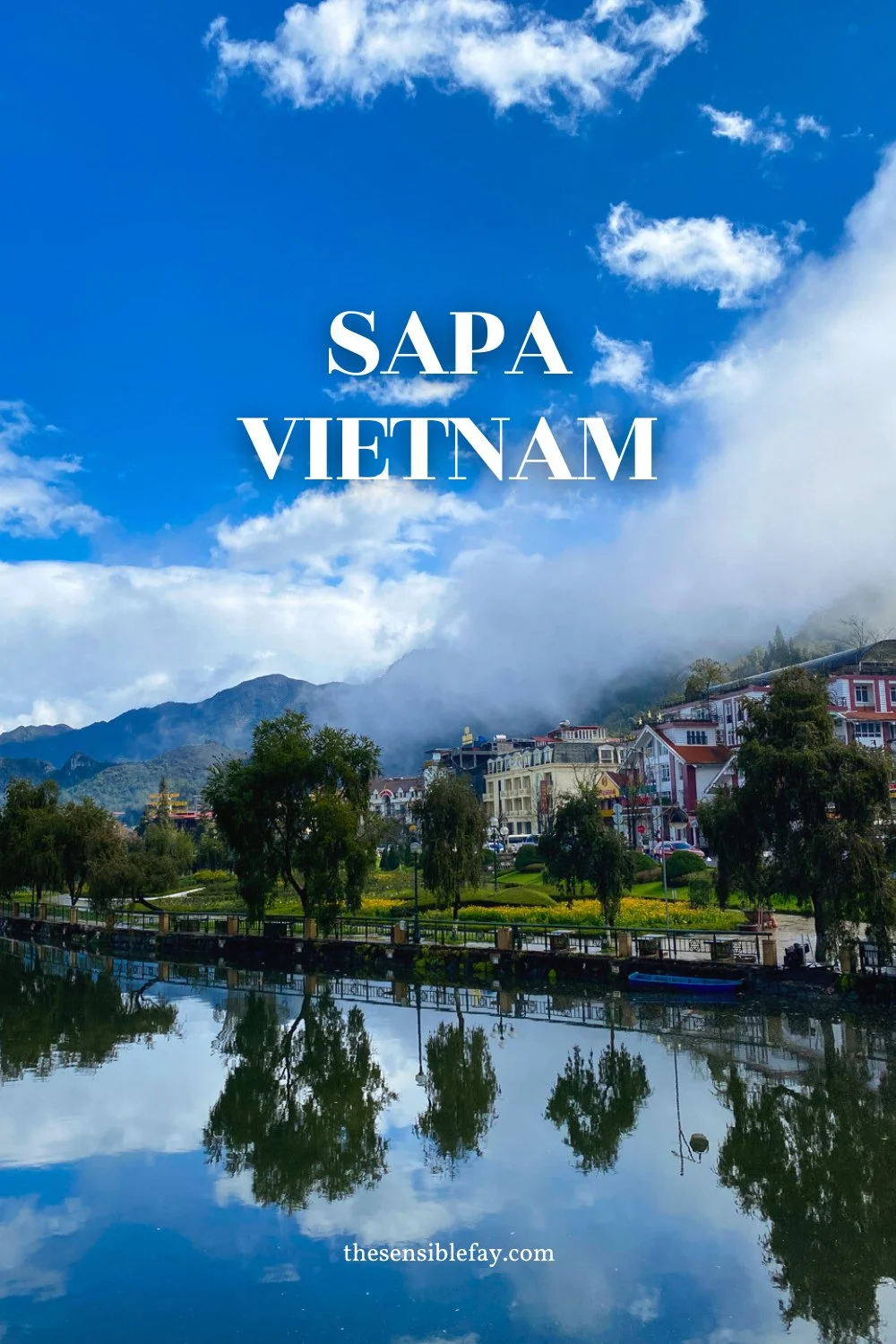
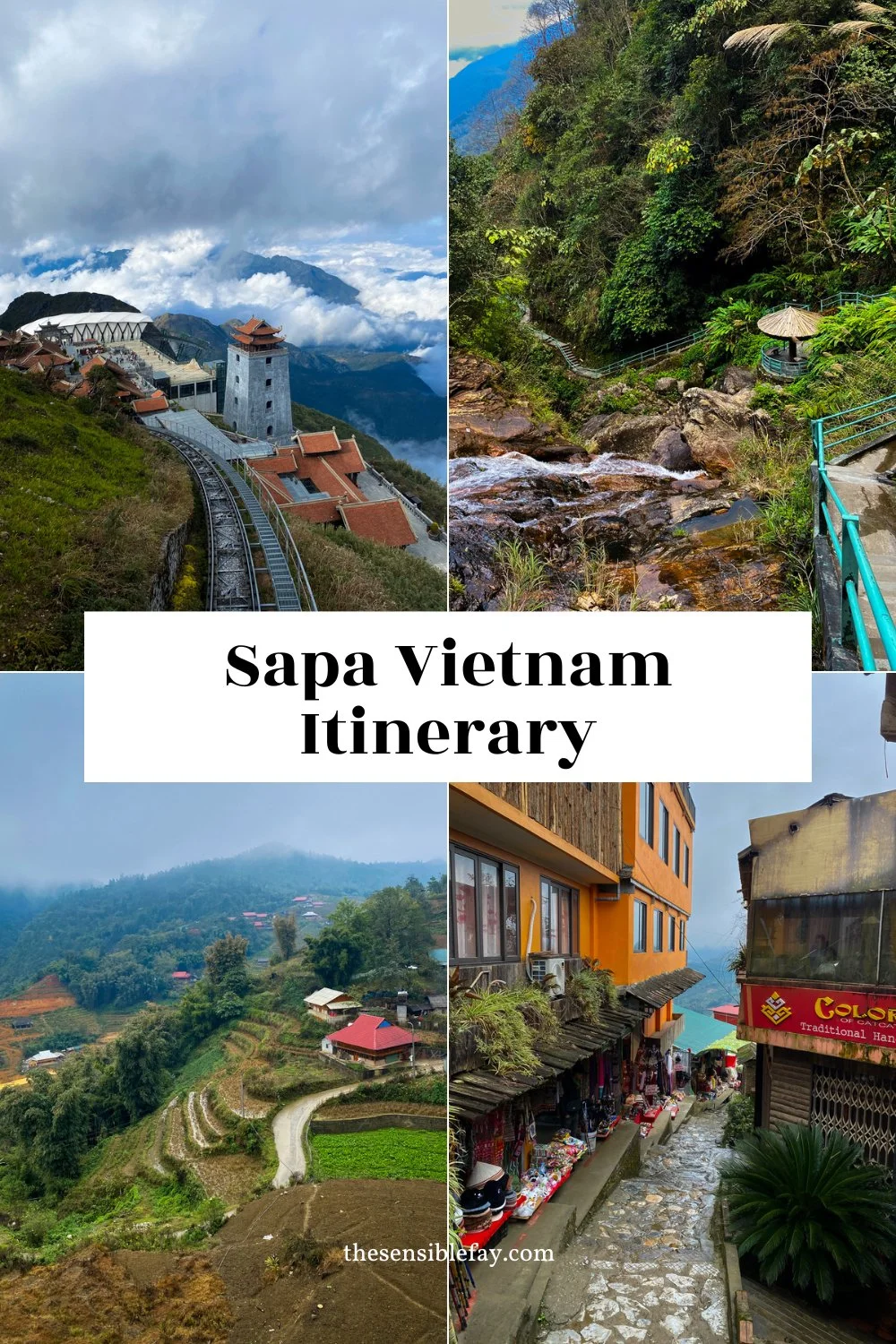
3-Day Sapa Itinerary
When people hear, "the mountains of Vietnam," they usually think of Ha Giang or Sapa. And if you've already booked your experience for the famous Ha Giang Loop and are making your way toward misty hills and terraced rice fields in Sapa, you’re in the right place.
I visited in January during Sapa's slow season and while logistically it was somewhat annoying to travel in the rain, the persistent fog and soft drizzle certainly added to the ambiance of the picturesque mountain town. The slower pace also forced me to reflect more and connect more deeply with the people and the culture.
So, here's everything that I did on my 3-day stay in Sapa with some tips and pointers on how to spend that time (and your funds) intentionally and responsibly.
Quick Tips For Planning Your Sapa Trip
The best way to get to Sapa is by overnight bus or train. I used 12Go to book all my transportation in Vietnam.
The best time to visit Sapa is during spring or autumn when the weather is pleasant and dry. Of course, you can visit in summer or winter as well but make sure to pack accordingly.
I stayed in Sapa town as it was the most convenient base for exploration. Book a homestay to give back to the local community!
Make sure to buy travel insurance! Auto accidents and delays happen all the time in Vietnam.
3 Day Sapa Itinerary Overview:
Day 1: Sapa Town & Cat Cat Village
Get situated and see one of the most popular attractions in Sapa.
Day 2: Motorbike Adventures
Explore some of the local villages and natural wonders around the province.
Day 3: Fansipan
Take a day-trip to Vietnam's tallest mountain.
Why 3 Days?
I found that 3 days in Sapa was the sweet spot that allowed me to balance seeing the main attractions at a reasonable pace. It gave me enough time to see the main highlights without rushing, and to actually experience the place rather than just check it off a list.
You spend quite a lot of time on transportation alone (it's a 6-hour ride from Hanoi), so having those extra days helped me recover from the transit fatigue and ease into the slower rhythm of the mountains.
At minimum, you should stay two days so it’s worth it, but if you have more time, I’d recommend staying up to five days (especially if you want to do the longer treks and engage more deeply with the different village communities).

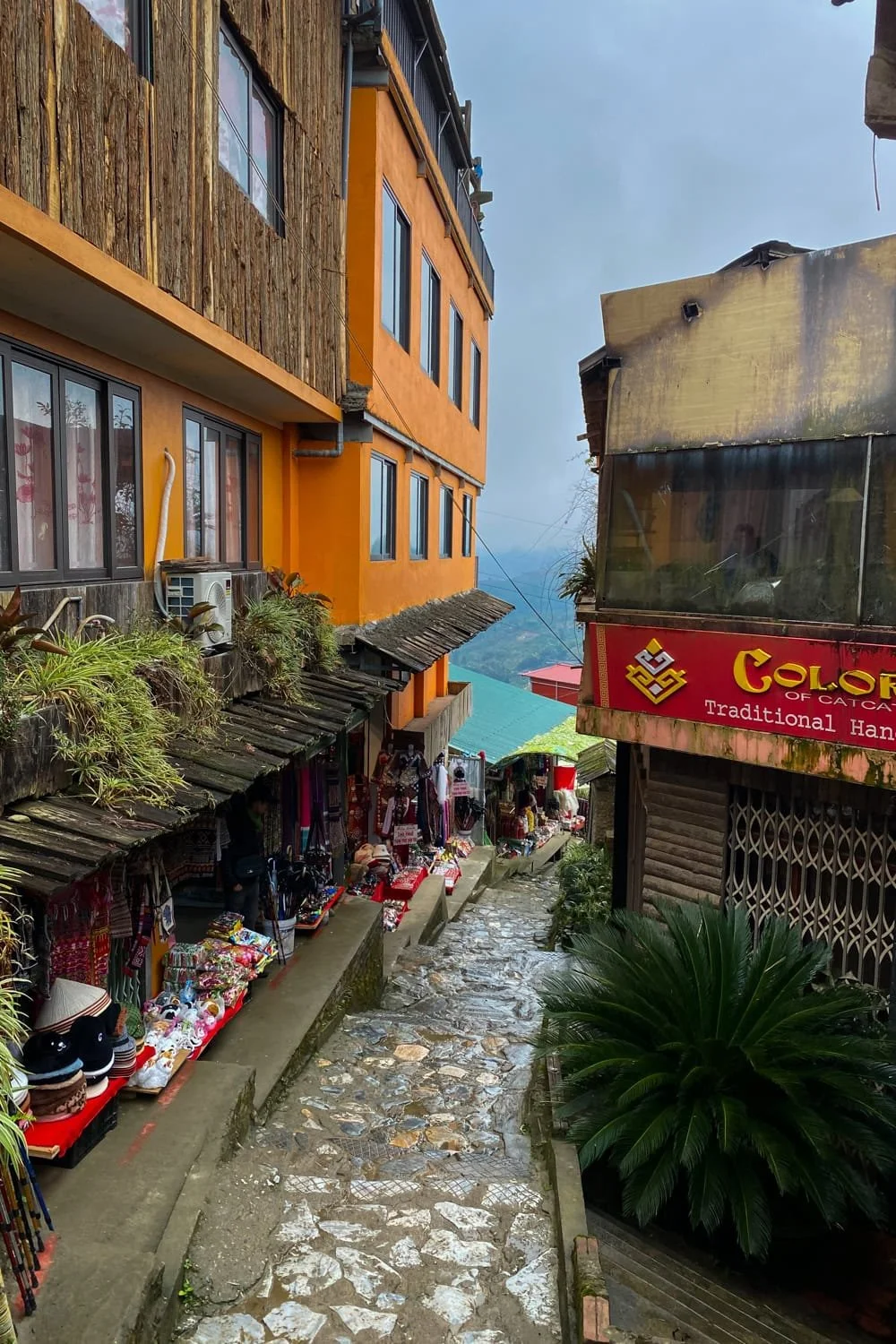
Day 1 : Exploring Sapa Town & Cat Cat Village
Arriving By Sleeper Bus or Train
Lao Cai province (where Sapa is located) does not have an airport, so the best way to get there is by bus or train. I recommend taking the overnight route so that you make the most of your time but if you're concerned about safety, you can book a shared daytime shuttle.
Most buses and trains leave from Hanoi, but you can also leave from Ha Giang if that works better with your Vietnam itinerary. (Full article on how to get to Sapa from Ha Giang here.)
The bus or train will arrive early morning (usually 3 or 4 AM) and if you booked the sleeper train, then you'll have to take another cab or shuttle from Sapa Train Station to Sapa town.
Checking In
Once you arrive, head to your accommodations and check in.
Most homestays and hotels in Sapa are familiar with the transportation schedule and very flexible with accommodating guests. Just make sure reach out beforehand to coordinate and see what their policies are like.
Additionally, to be more responsible with your travels, I would recommend booking a homestay. These accommodations are typically run by local families and staying with them instead of at a huge hotel chain can help with the sustainable development of a community or area.
Spend your morning resting up because we have a long day ahead of us!

Exploring Sapa Town
Down to the first order of business... let's get a lay for the land!
I always love to explore the town that I'm staying at on foot (if possible) because it helps me get oriented and familiar with major landmarks.
For safety reasons, this can also be an important part of your trip. As you're walking around town, take mental note of some cafes, tourist offices, or police stations that might be safe to stay at in case of an emergency.
Vietnam is super safe, but it's just a habit from my time traveling solo.
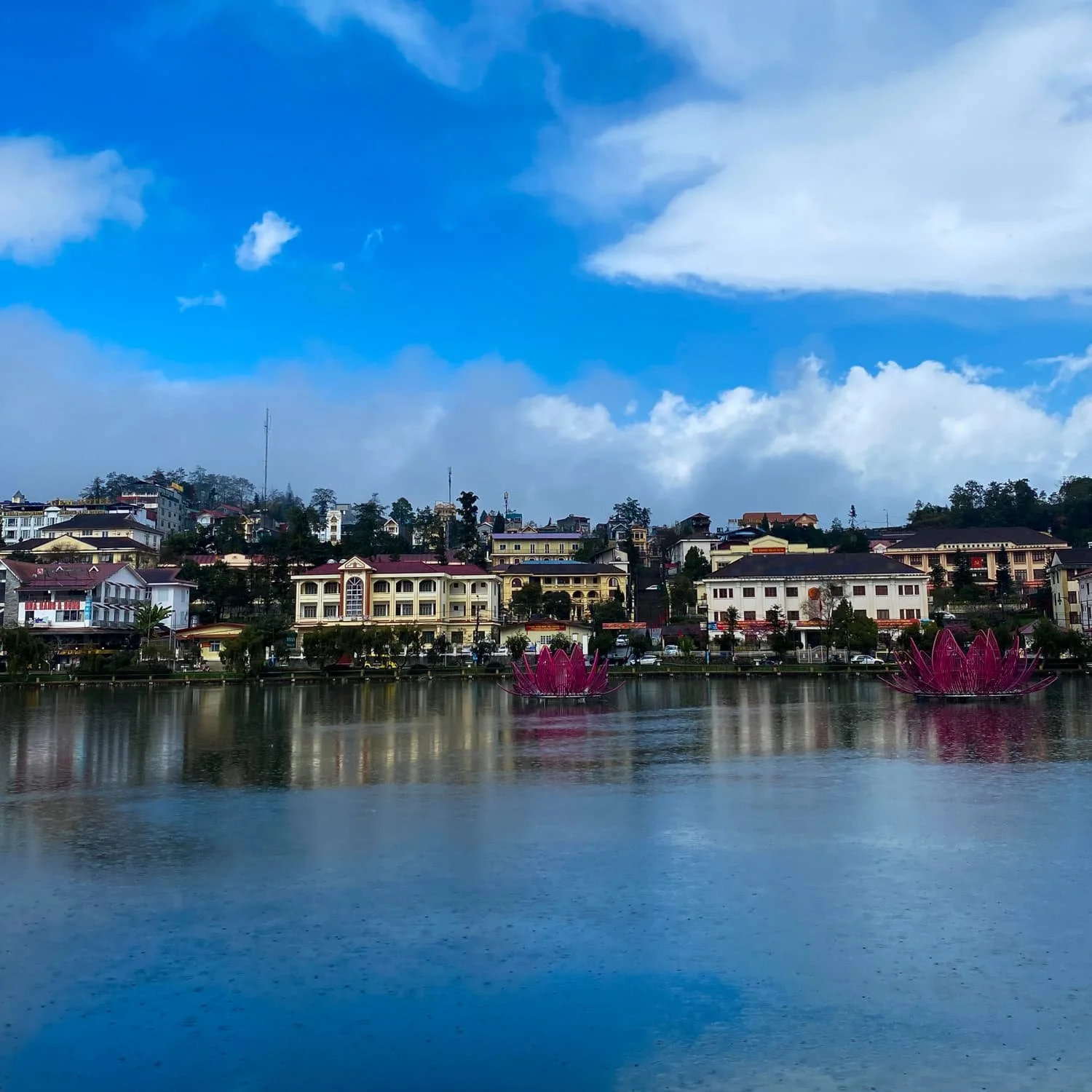
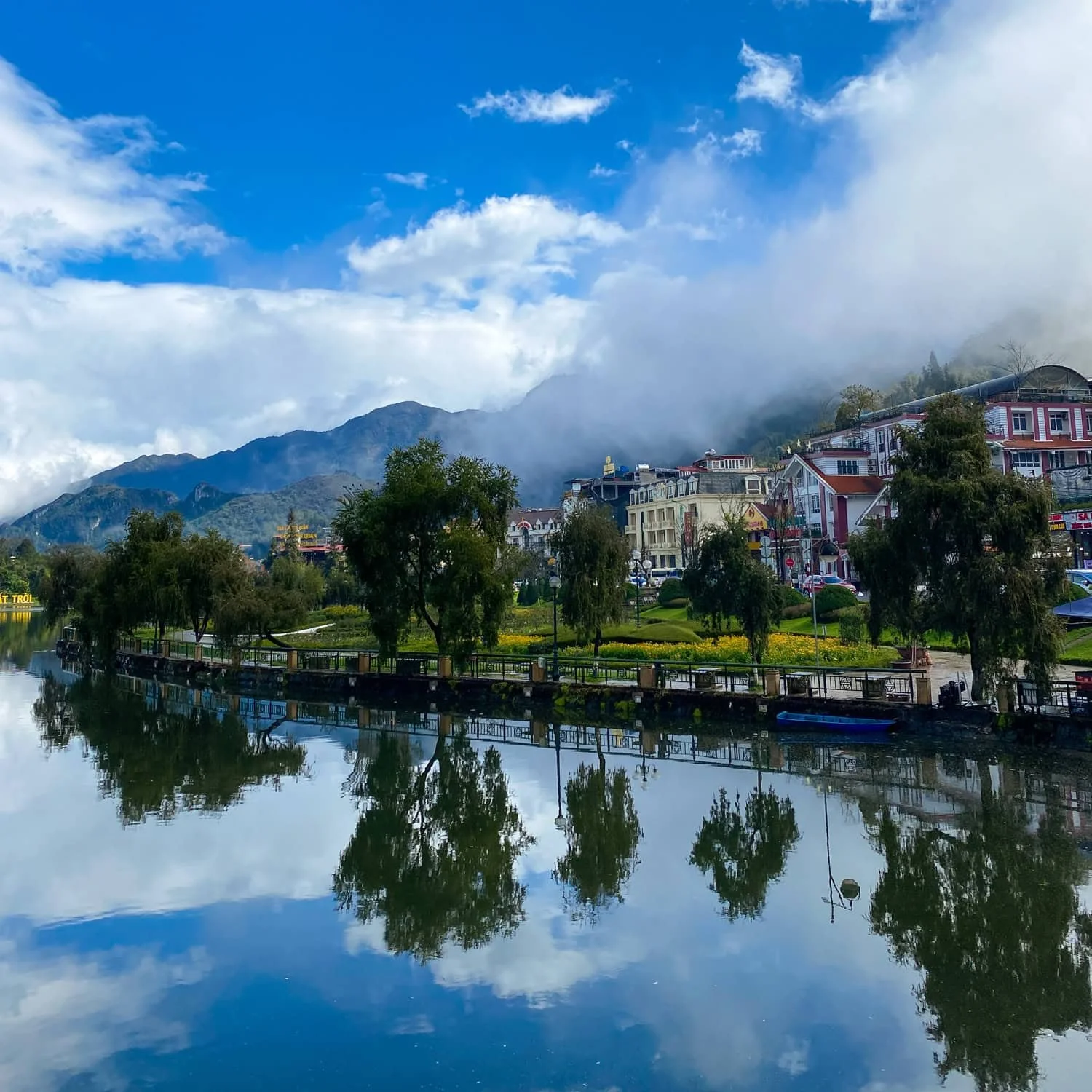
Luckily, Sapa town is fairly small and very walkable. It’s built around a lake with just a few offshoot alleys.
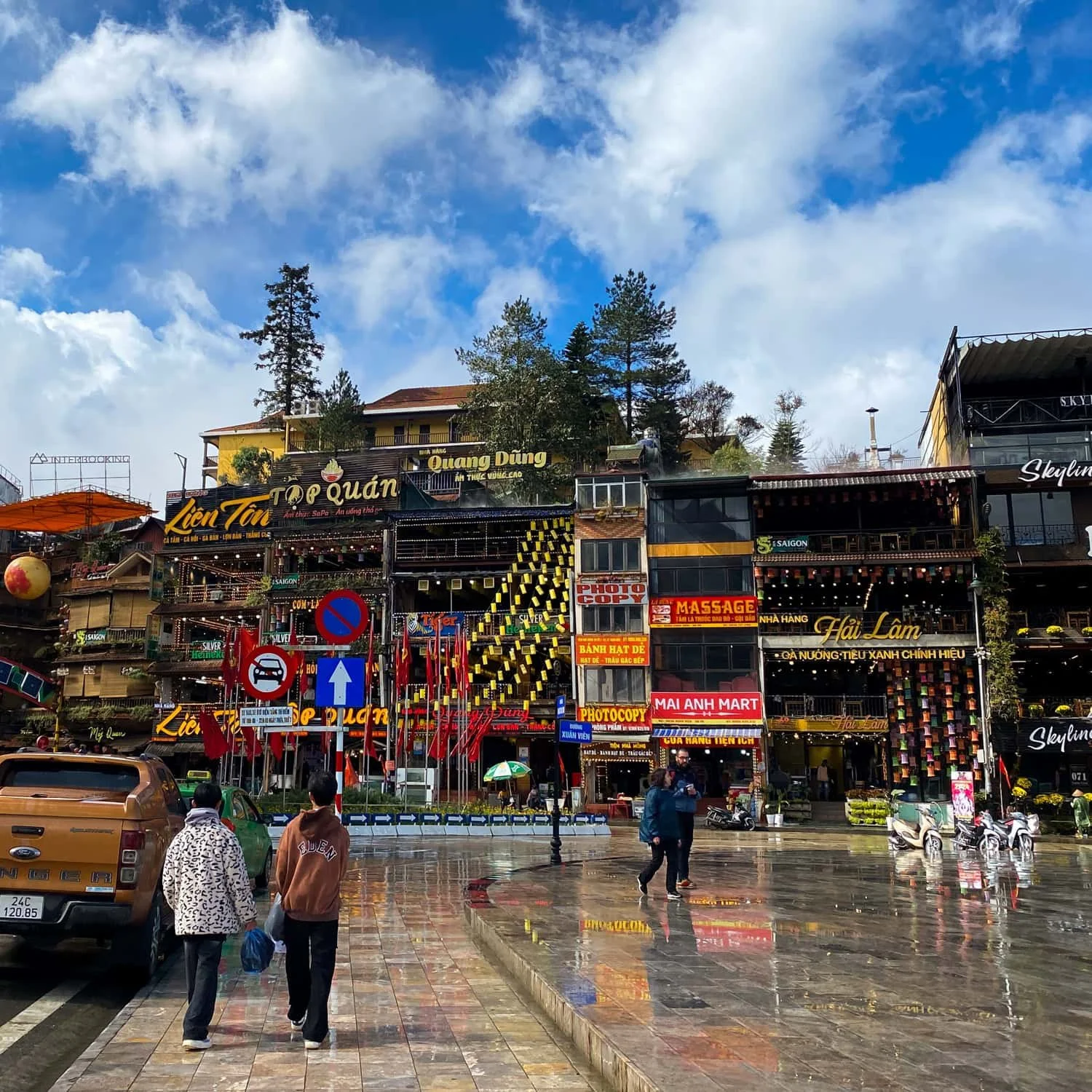
Spend your morning walking around and exploring the various cafés, grab breakfast at your local pho shop, and snap some photos of the adorable resort buildings.
My friend and I stopped by Thong Dong Vegan Kitchen & Cafe for a quick coffee and shelter from the rain and then went about our merry way!
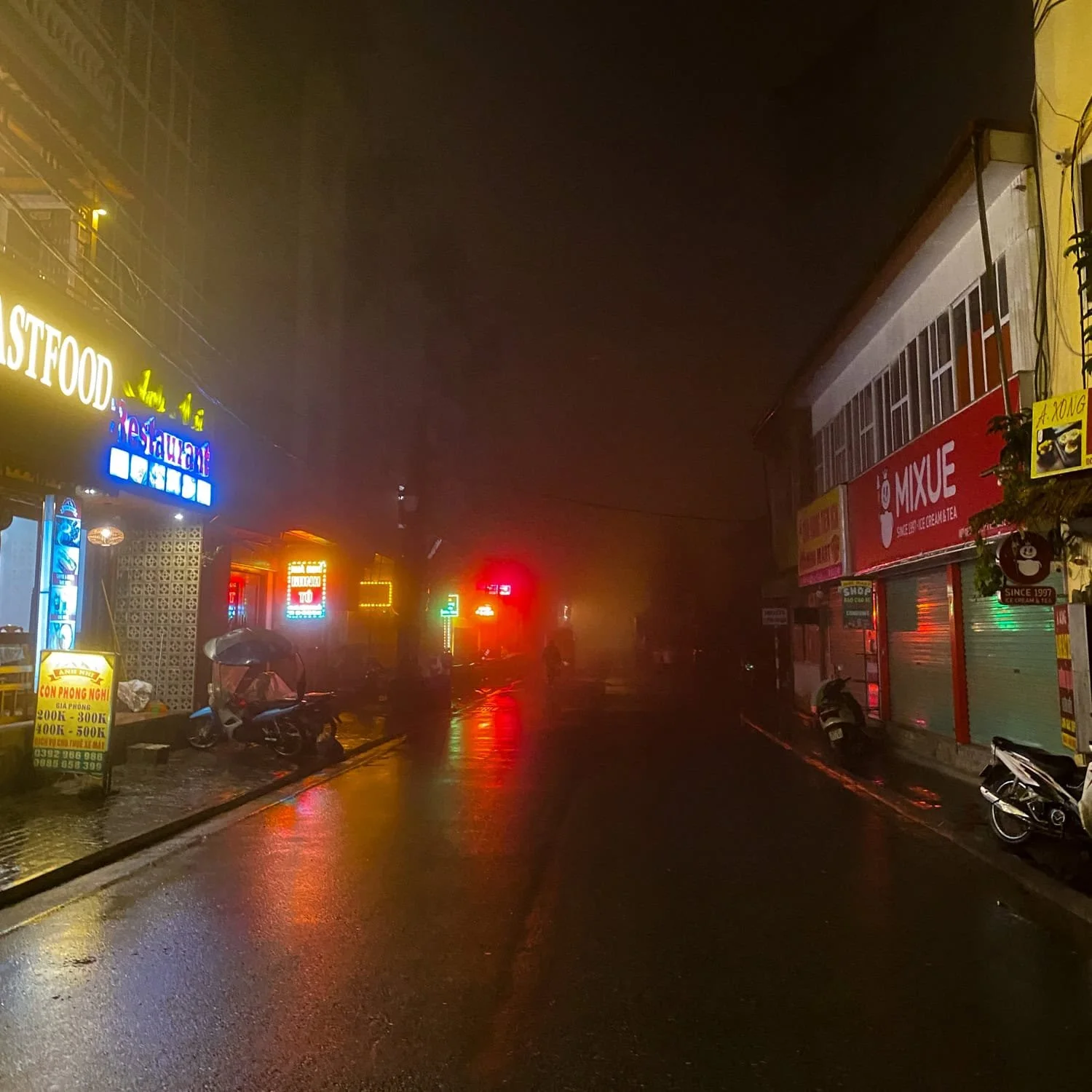
You’ll have a little more time to explore Sapa at night, but I just feel like seeing a place during the daytime and the evening are vastly different.
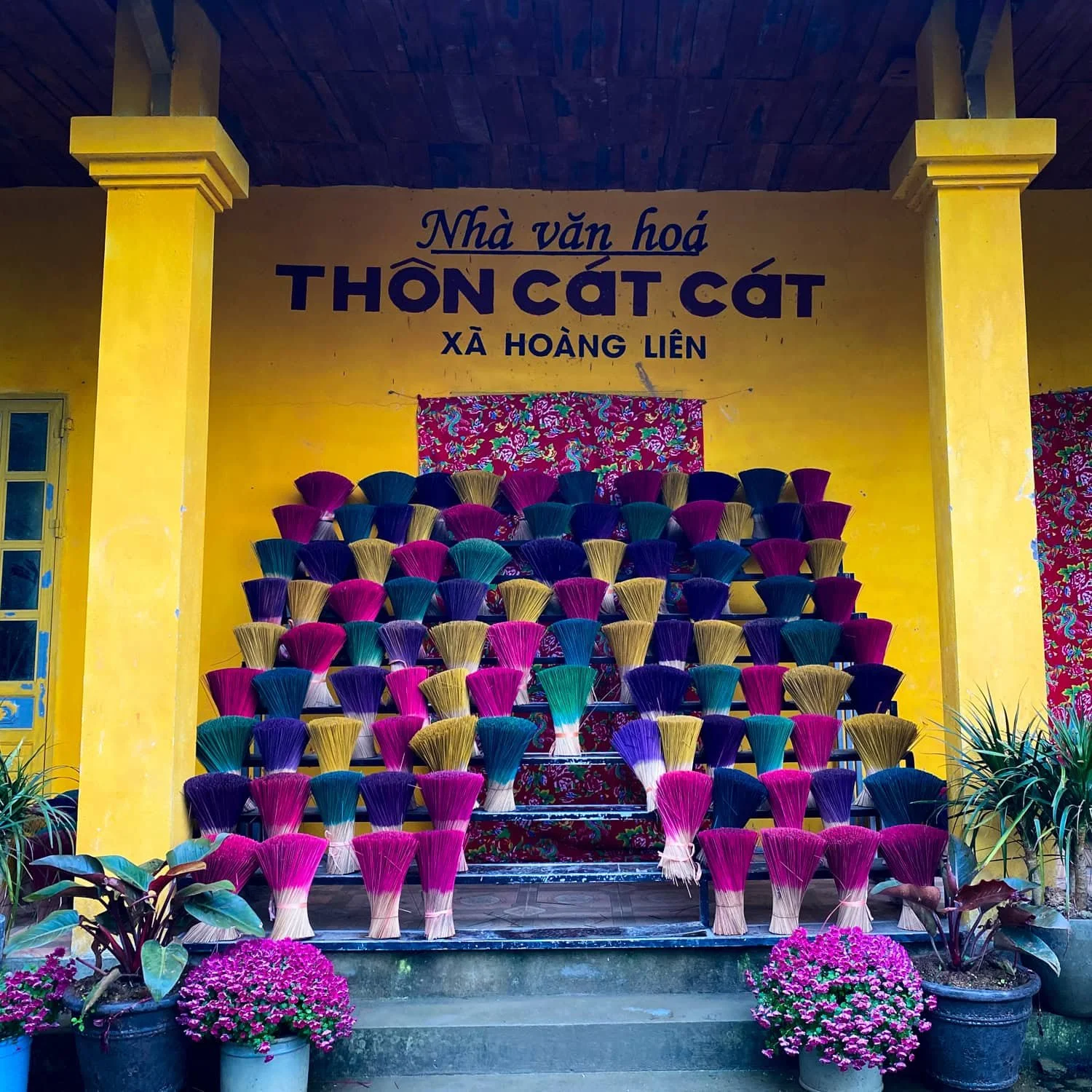
Afternoon At Cat Cat Village
Cat Cat Village is by far one of the most popular attractions in Sapa.
This Hmong ethnic village was transformed by the French colonists into a resort destination during the early 20th century and while there are certainly things about this extremely commercial version of tourism that need to change, I think that it needs to happen slowly as to not harm the locals.
And so, we visit Cat Cat Village.
Cat Cat Village is a 30-40 minute walk from the center of Sapa town. Entry fees are roughly 150k VND (approximately $6 USD) and admission gives you access to the village and waterfalls.
We spent most of our time just wandering around and enjoying the vibes. Because we visited during the off-season, there weren't that many tourists and we really appreciated how quiet and serene everything was.
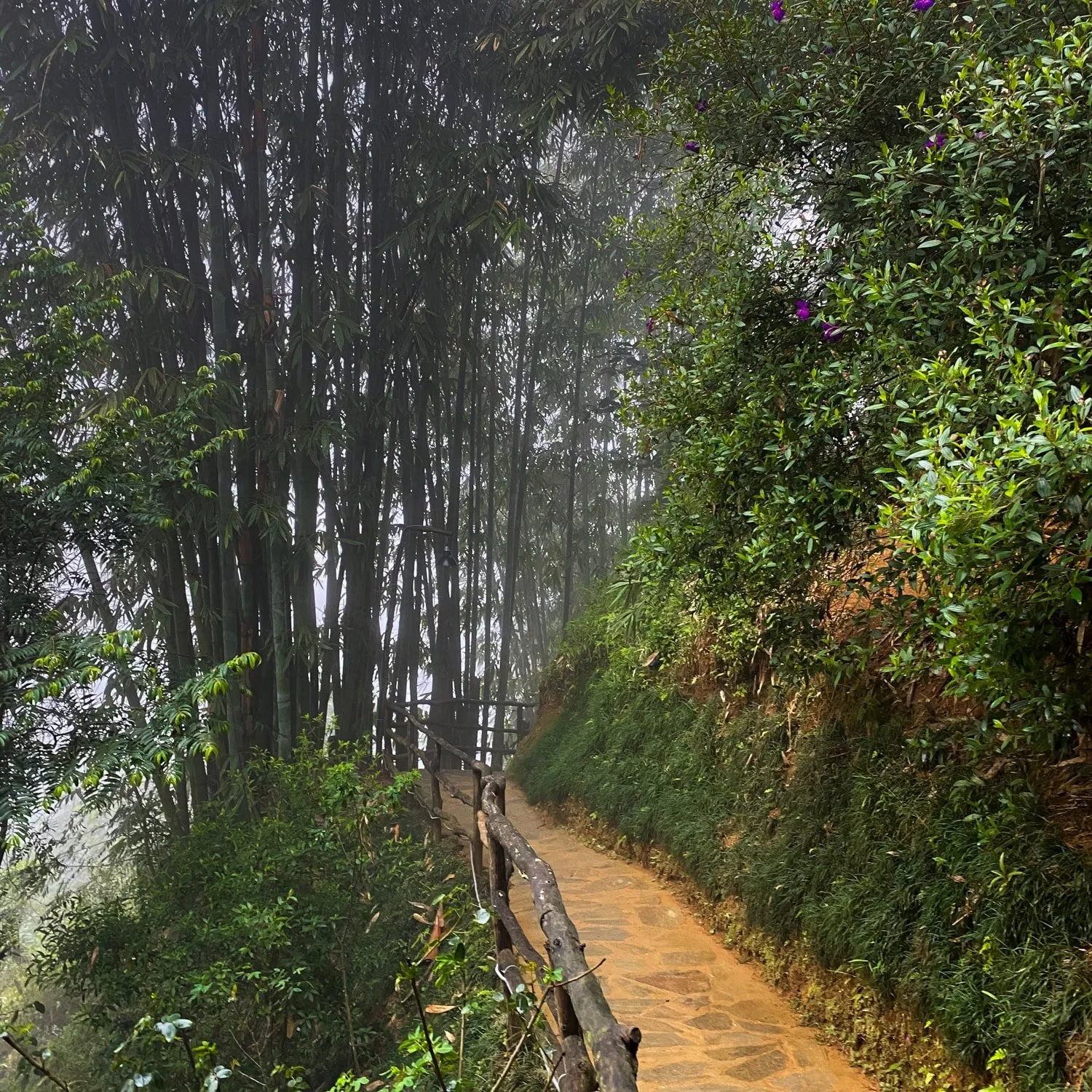
There were definitely parts of the experience that felt curated specifically for visitors (cultural performances, Instagram photo spots, Hmong costume experiences, etc) but there were also some more lowkey experiences that we really enjoyed (indigo-dyed handicrafts, trying local jerky, walking along waterfalls, etc.)
If you’re looking for a more mindful and ethical way to engage, I’d recommend joining a Batik workshop run by local artisans or spending a night at a homestay. Both give you a deeper sense of the culture while directly supporting the community.
Dinner Back At Sapa Town
Wrap up your second day in Sapa with dinner back in town.
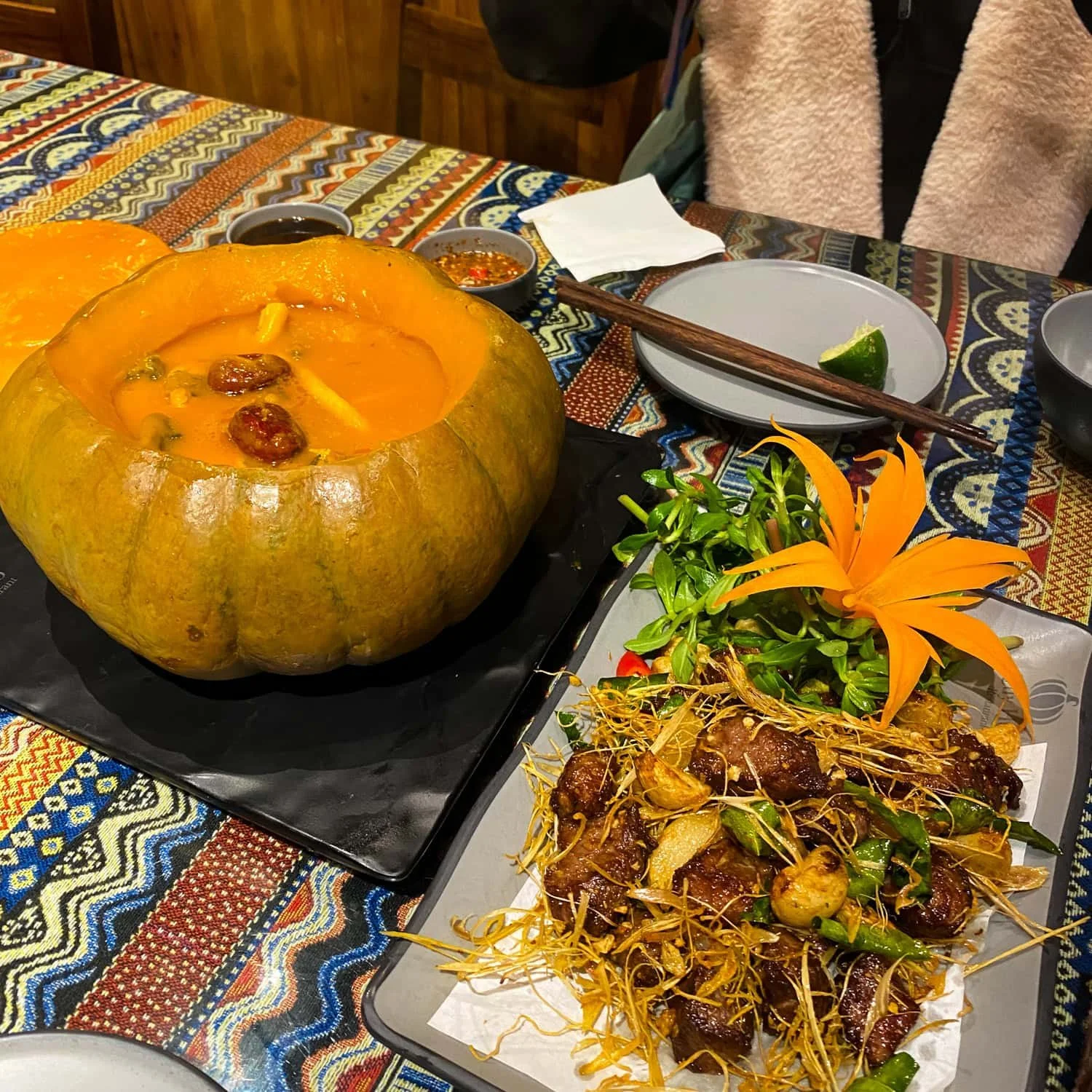
We got dinner at O Quy Ho Sa Pa Restaurant. It clearly pandered towards tourists but there were a lot of customers and the food looked promising.
The herbal pumpkin soup was really delicious and the meat dish was tasty but somewhat expensive.
Food in Sapa tends to be overpriced, but the portions are decent and the presentation is always spot on. You can always find more affordable options but have to wander off the main street.

Day 2: Motorbike Adventures
Renting A Scooter
One of the best ways to see Sapa is on a motorbike. A scooter rental makes getting around the different villages a breeze, and you can travel at your own pace without being tied to a guide or needing to hire car service.
Licensing & Rules
Technically, you're only legally allowed to ride a motorbike in Vietnam if you have both a valid 1968 IDP and your home license. However, in practice, a lot of shops will rent you a motorbike with just your passport or a 1 million VND security deposit.
The challenge here is that if you get stopped by police, you'll probably get fined and have your motorbike confiscated. Furthermore, if you get into an accident, your travel insurance probably won't cover any damages or medical expenses.
So rent only with the appropriate paperwork or at your own risk!
The Experience
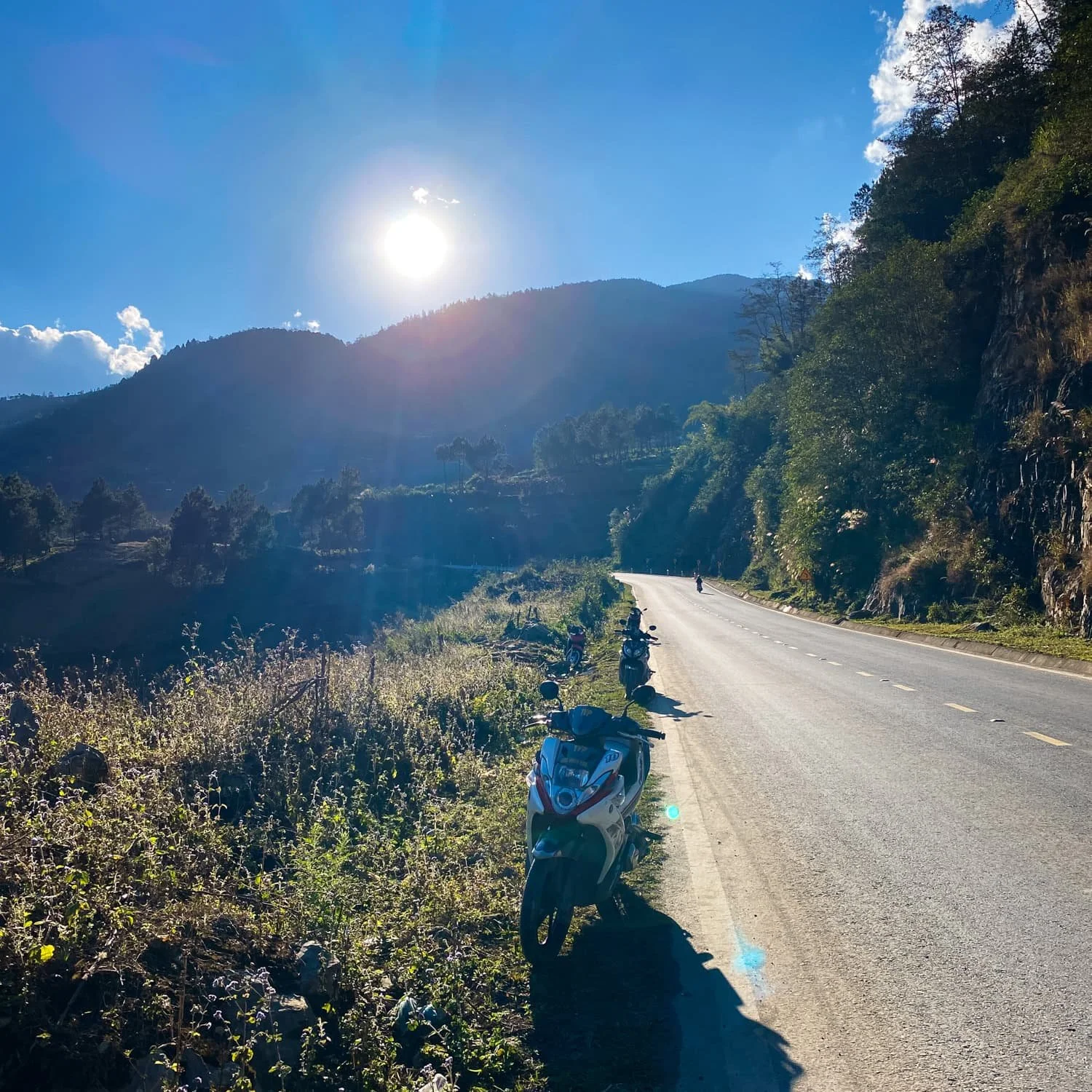
We rented our motorbikes from our hotel.
Compared to big cities like Hanoi (which I would definitely not drive in), the roads around Sapa are relatively calm. I have my license in Taiwan and I’m pretty comfortable with navigating mountain roads. But just make sure to drive slowly because the turns can be sharp and visibility in the mist is quite poor.
Additional Notes
Most rental shops or hotels will ask for your passport as a deposit. Some may accept a cash (around 1 million VND) instead, but handing over your passport is standard practice. Make sure to keep a printed out version and a digital copy on your phone just in case anything goes wrong.
If you’re not comfortable renting from a small local shop, you can also book through platforms like Klook. That way, there’s a more distinct paper.
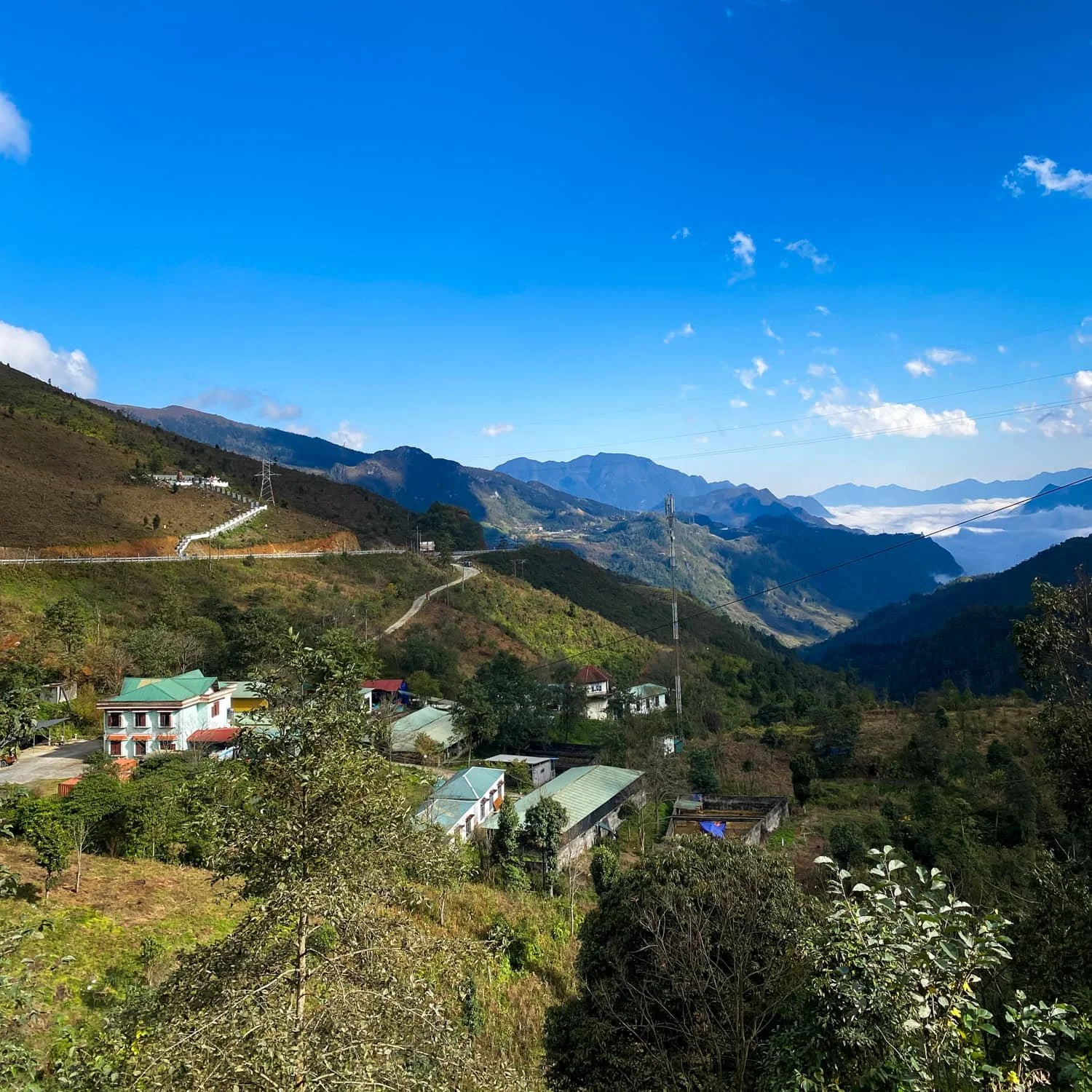
Exploring Muong Hoa Valley
Disclaimer: we fully intended on doing a self guided trek of Muong Hoa Valley but because of the weather, time restraints, and pure laziness, we opted to just scoot there, snap some photos of the views, and skip it.
Muong Hoa valley is one of the most picturesque spots in Sapa. Offers a clear view of the terraced rice field against misty green mountains, and if you’re actually up for the trek, it’ll take you through multiple ethnicity minority villages.
To begin, you’ll drive down to Lao Chai village (approximately 22km/50-minute ride from Sapa town).
The most popular route goes from Lao Chai → Ta Van → Giang Ta Chai, which should take the average person 4-6 hours to complete.
It’s definitely possible to do it by yourself, but hiring a guide is a great way to support the local community (aka the people who actually live in the houses you’ll be walking past).
You can usually book a guided trek with your local homestay or through online platforms like Klook, Get Your Guide, or Viator.
Since we decided to skip the trek, we just took it for a nice motorbike ride through the countryside and stopped along the road to snap pics whenever we saw a beautiful view.
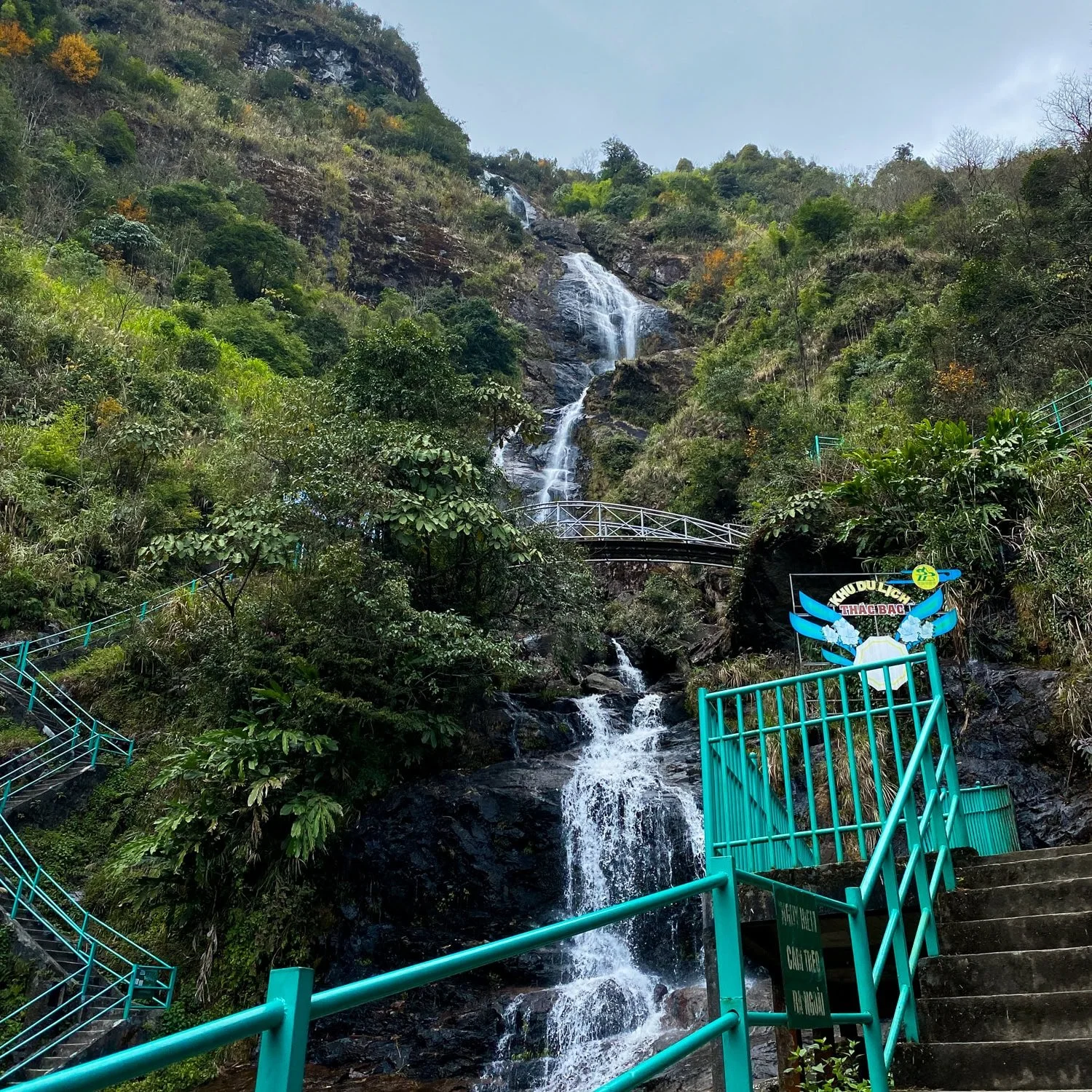
Chasing Waterfalls: Heaven’s Gate, Silver Waterfall, and Love Waterfall
After a morning of exploring the southern region of Sapa, we headed back to town and then continued west towards Heaven’s Gate, Silver Waterfall, and Love Waterfall.
Heaven’s Gate (also known as Tram Ton Pass or O Quy Ho Pass), is the highest mountain pass in Vietnam.
Just like Cat Cat Village, it’s been built into a tourist attraction with man-made sculptures and Instagram spots. The entrance fee is 150k Dong (2025 prices) which can be a little steep, but if the weather happens to be decent and you’re there during sunrise or sunset, it’s definitely worth it for the view.
Heaven's Gate is the furthest point that we'll travel to today, so from there you’ll drive about 10 minutes back towards Sapa to Love Waterfall.
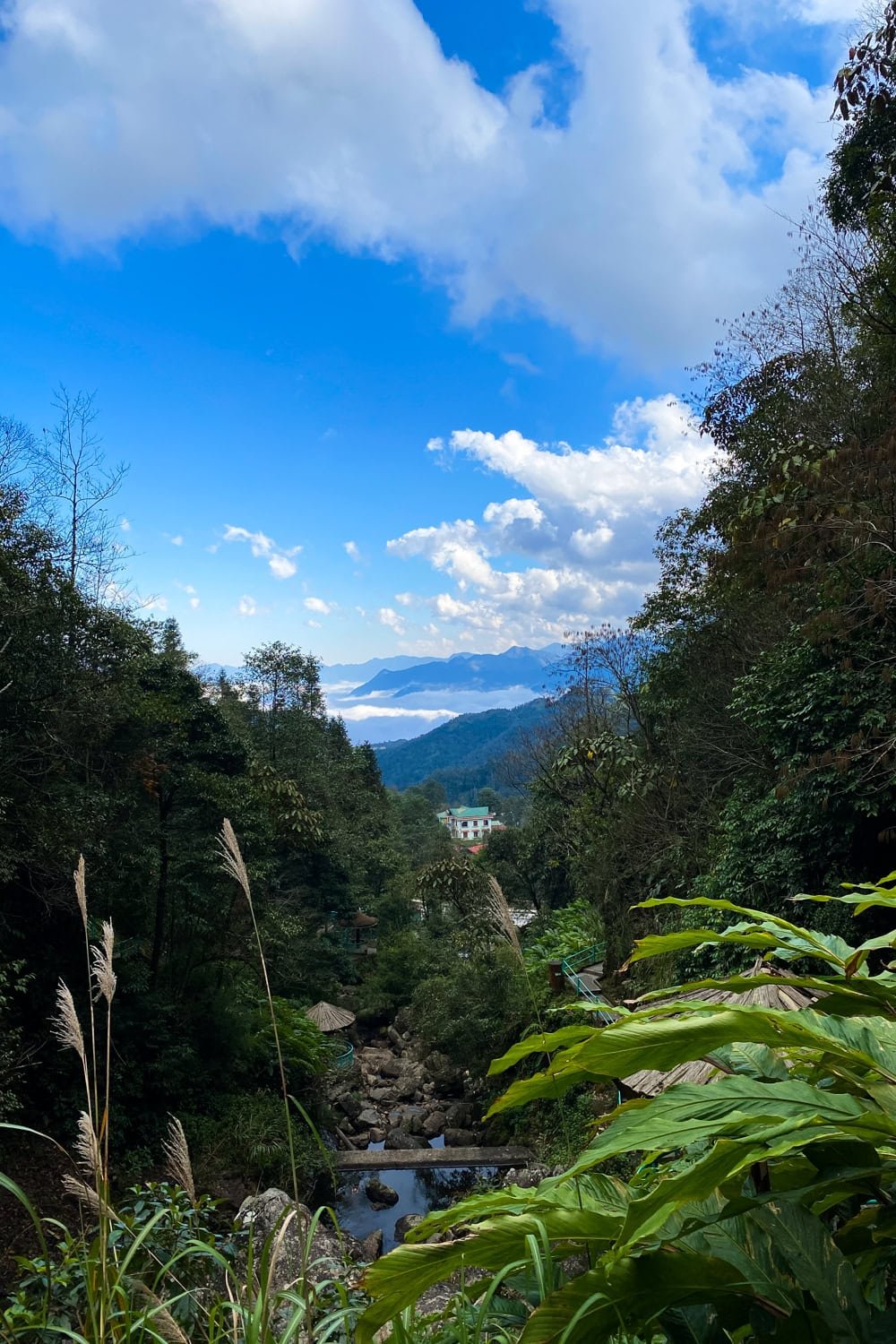
Love Waterfall is one of the most majestic waterfalls in the Sapa region. It features a single dramatic drop with a large pool at the bottom. To get there, park your bike and then follow the walking trail 2-3 km to the waterfall.
It’s a beautiful spot to just relax for a few hours and zone out, listening to the therapeutic sounds of rushing water. If you visit during the summer, you can actually swim in the pool at the bottom, but obviously we were there in January and it was way too cold.
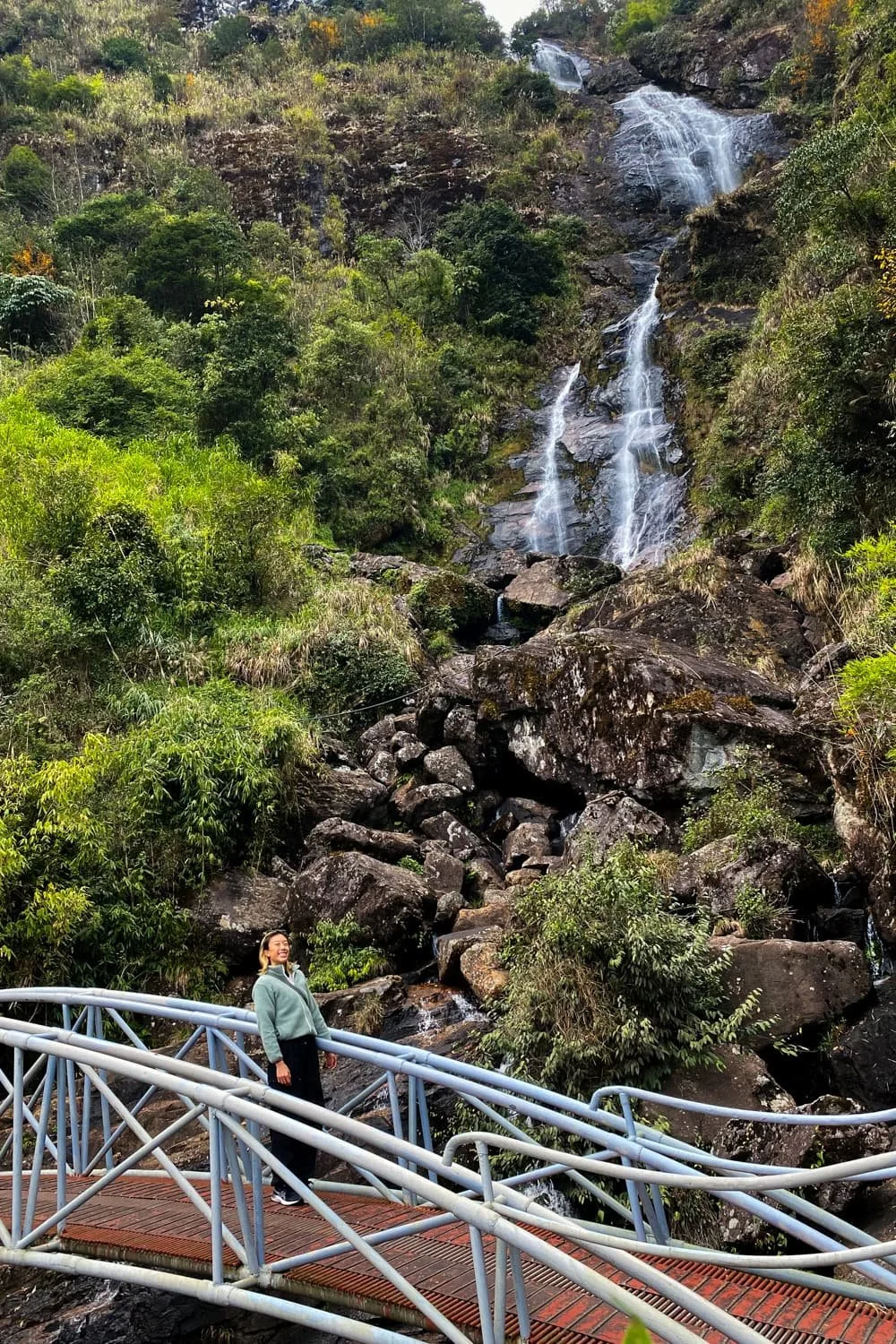
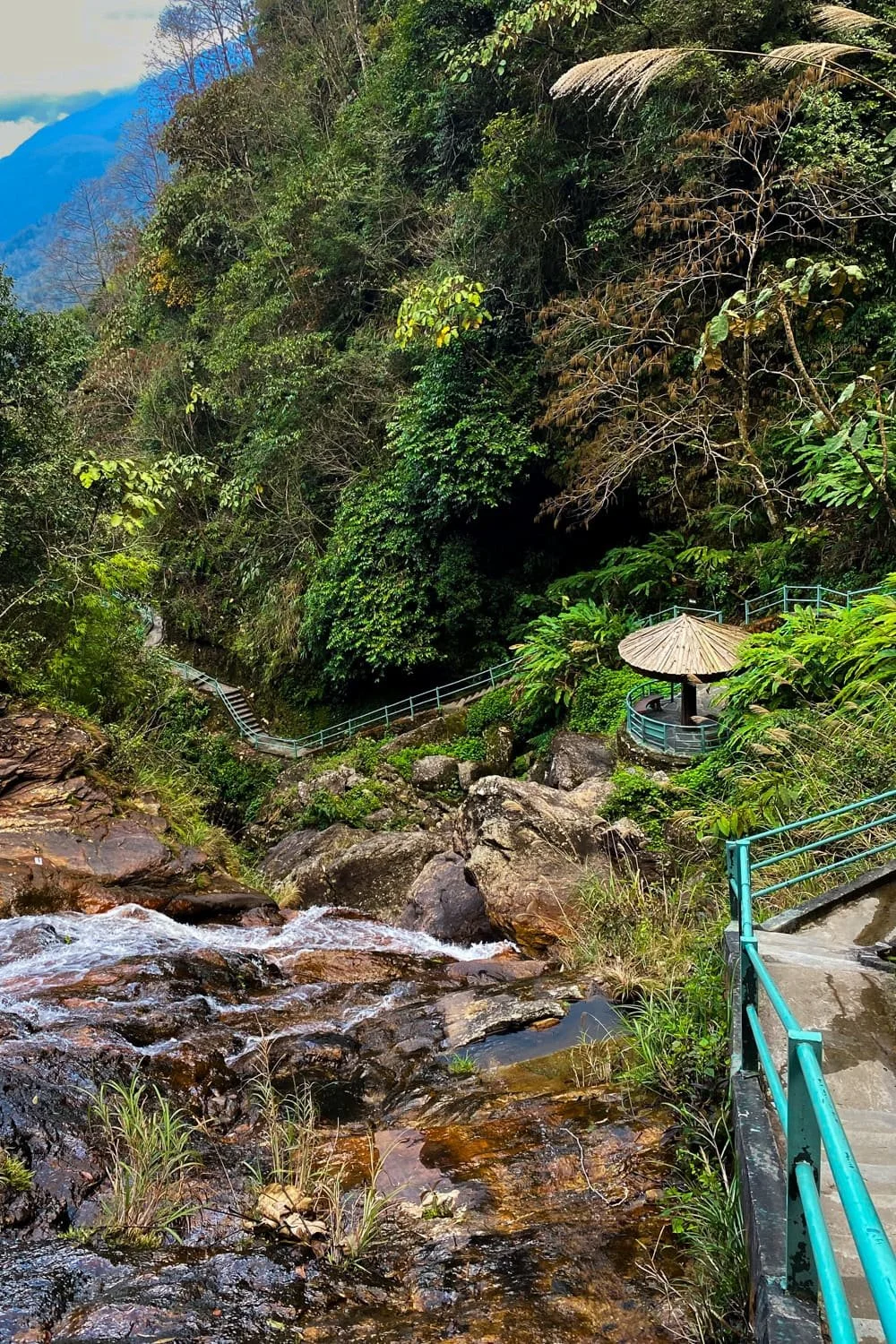
Just an eight minute drive away (in the direction of Sapa) is Silver Waterfall. This multi-tiered waterfall also features a small walking trail with some stairs that take you to the top.
We parked our bikes along the side road and went for a quick walk for the views. Honestly, it wasn’t anything too exciting but it was nice to get an up close view of the waterfall.
We grabbed a quick bite of sweet potato from the vendor across the street and then continued on our merry way.
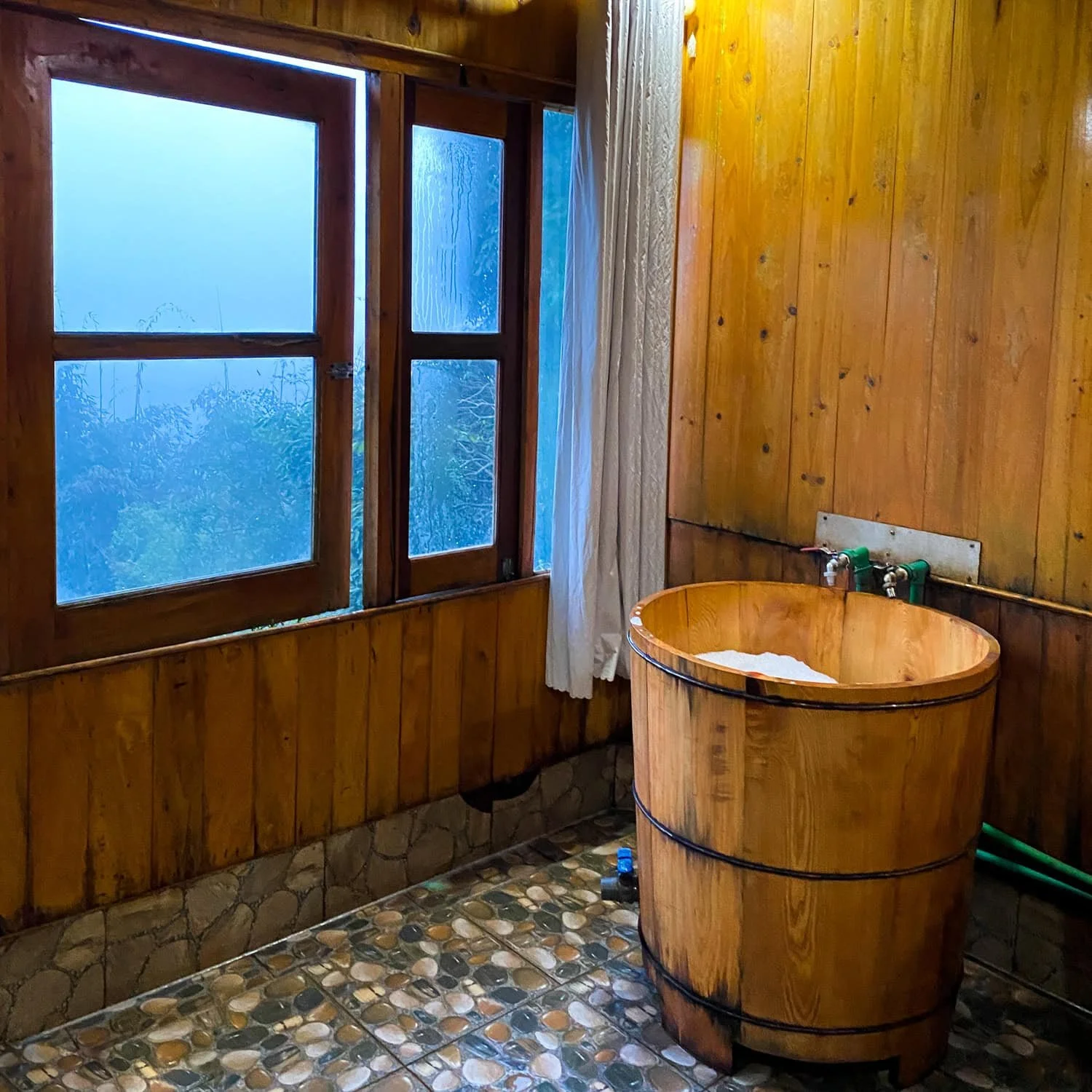
Red Dao Bath at Ta Phin
The last step on our agenda is Ta Phin village!
I was most excited for this part of the trip because ya girl LOVES baths.
Herbal baths are a tradition in the Red Dao communities of Sapa. They feature 10+ medicinal herbs gathered from the surrounding mountains and were originally given to women who had just given birth or to the weak during winter months to ward off sickness.
I simply used Google Maps to find an establishment but if you want, you can probably book something from a spa beforehand.
We got lost in the village, but luckily some local guided us on their motorbikes to the bathhouse.
It was definitely an older and more traditional building, but everything was really streamlined, and they had clear pricing structures for the baths.
The Red Dao Herbal Bath was exactly what we needed to warm our bodies up after riding in the cold damp January weather and we seriously felt so rejuvenated afterwards.
The shop also had various herbal products that you could buy to take home. I considered it as a souvenir, but due to limited luggage space, ultimately opted to skip.
This was the perfect way to wrap up our afternoon before heading back to town for a warming dinner.
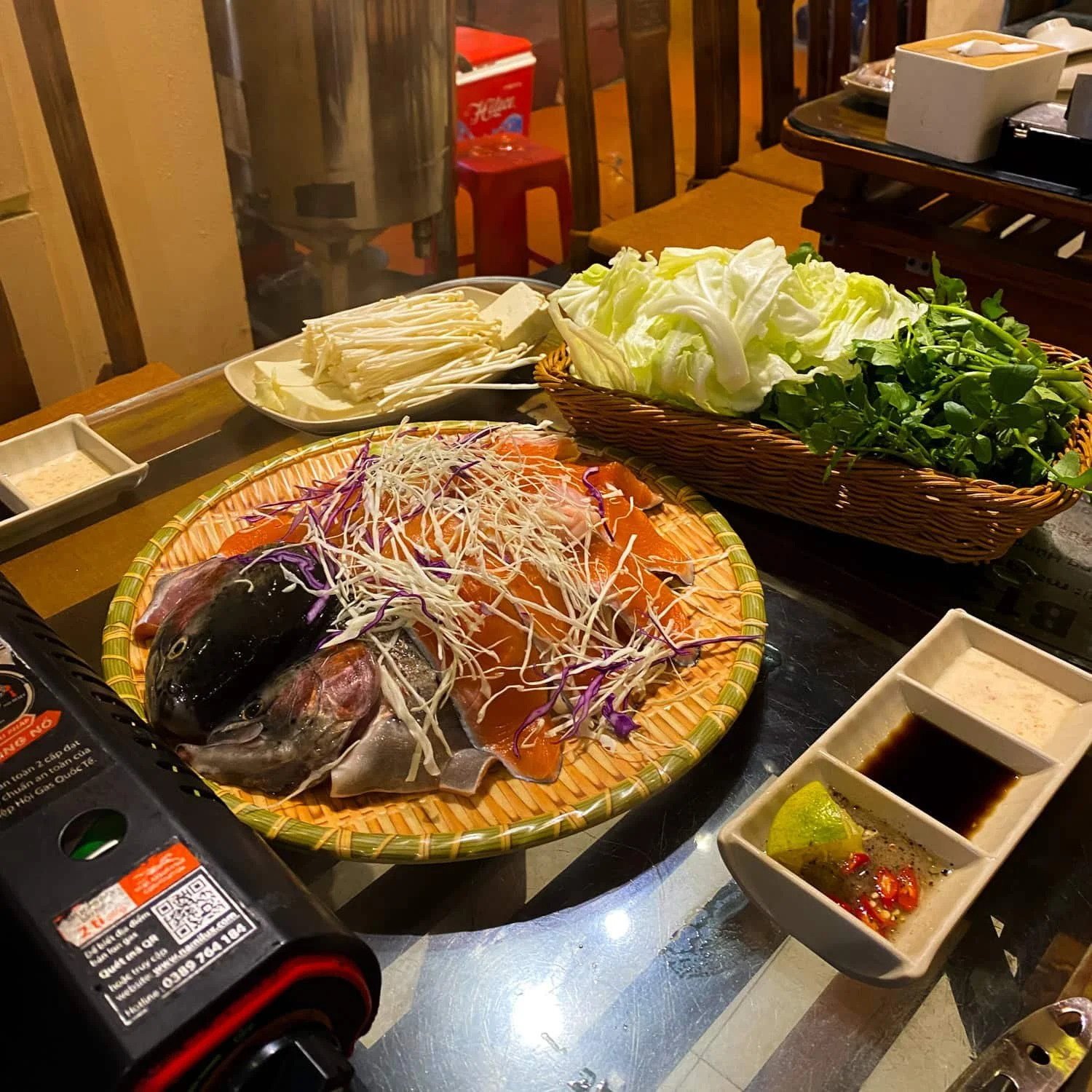
For dinner the second night, we stopped by Mẩy Quán - Tinh Hoa Ẩm Thực Sapa. Again, it was just one of those restaurants that looked promising from the outside and we desperately wanted something warming for dinner.
We opted for the salmon hot pot and got adventurous with the horse sticky rice and the portions were huge. It was super delicious and (again) slightly expensive, but worth every cent.
Afterwards, we walked around the city at night and did a little bit of shopping before heading back to our accommodations.

Alternative Day 2
If you feel uncomfortable with renting and riding a motorbike, an alternative option for day 2 is to do a full one-day guided trek of Sapa. This allows you to see a lot of the highlights that I mentioned above and gives you an opportunity to learn more about the local Hmong and Dzao villages in depth.
Day 3: Fansipan Day Trip
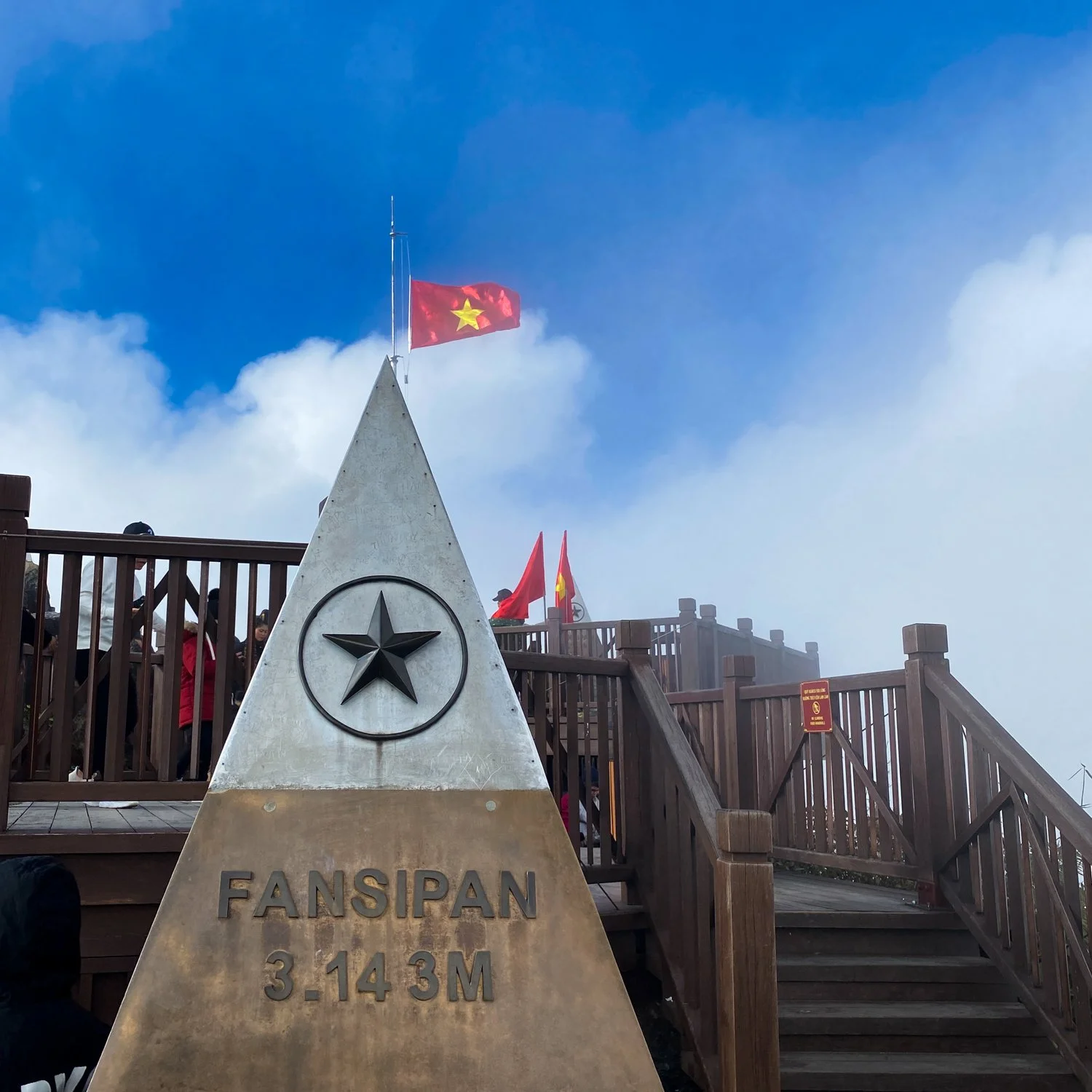
Fansipan, or the “Roof of Indochina" is the tallest mountain in Vietnam (and the entire Indochinese Peninsula, actually). It stands at 3,143 meters (10,312 feet) tall and is a must see if you're visiting Sapa.
We dedicated our entire third day to Fansipan because there was so much to see and do.

Getting To Fansipan
Luckily, Fansipan is super accessible from Sapa town.
To get there, simply make your way over to the Muong Hoa funicular located in the Sun World Fansipan Legend complex, about a 30-minute walk from Sapa town.
We booked our tickets beforehand through Klook and it gave detailed directions on where to go and how to redeem the tickets.
The total cost to visit Fansipan is around 800k Vietnamese Dong (~$30 USD) and tickets can be purchased at the funicular station or online ahead of time. If you’re visiting during high season (or on the weekend), it’s definitely worth reserving your spot beforehand.
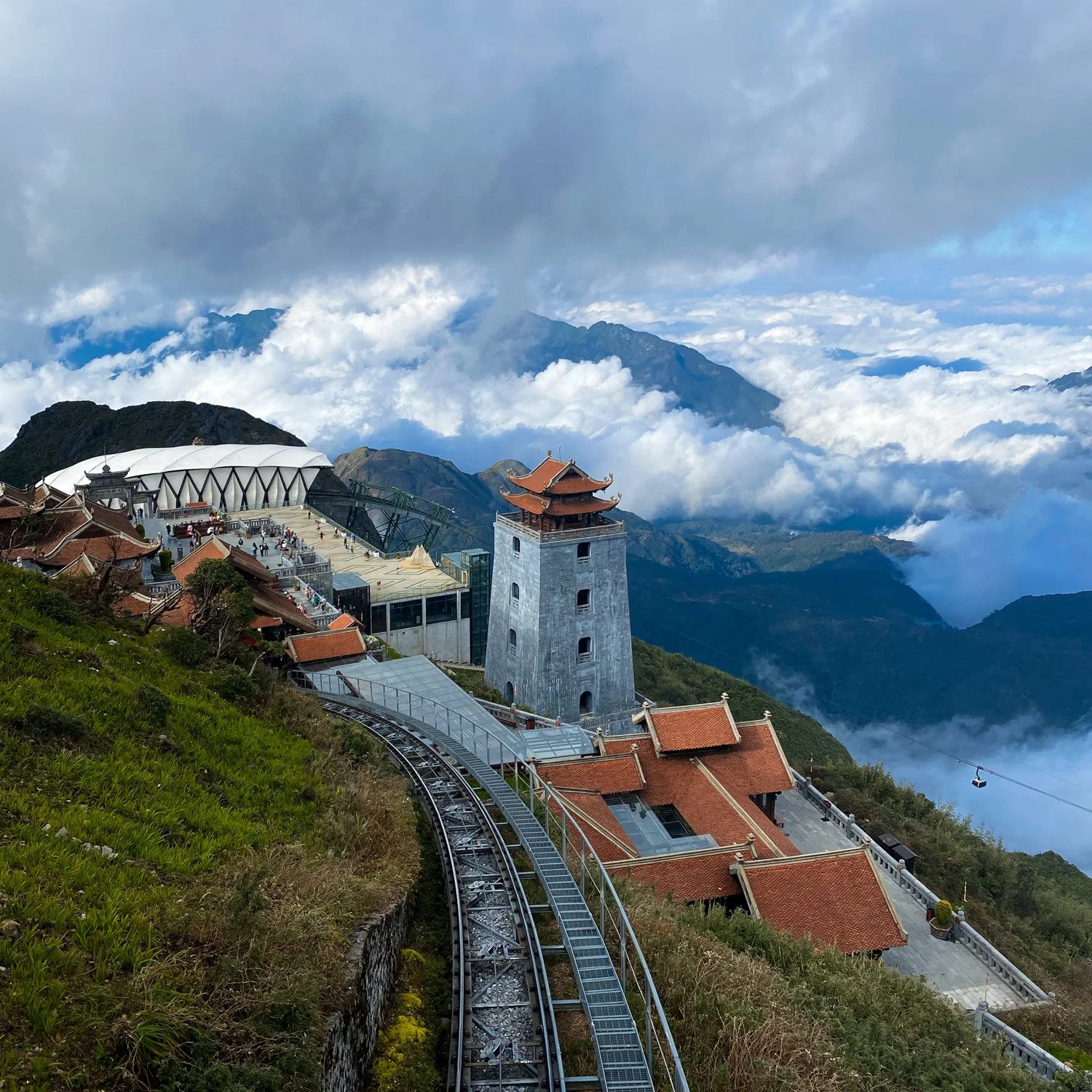
The funicular takes you directly to the cable car station where you ascend another 1,400 meters up the mountain.
We really enjoyed the ride and felt that it was particularly magical once we broke through the fog and got to see the mountains from above.
Alternative, you can also hike your way to the top of the mountain. It’s about a 2 to 3 day trek with a local guide but unfortunately, we were short on time and it was way too cold for that experience.
Things To Do At Fansipan
Honestly, the best thing to do at Fansipan is to just vibe out and enjoy the views.
On a clear day, you can see all the way across the Hoang Lien Son mountain range and even into Yunnan, China.
But here are some other highlights of the mountain:
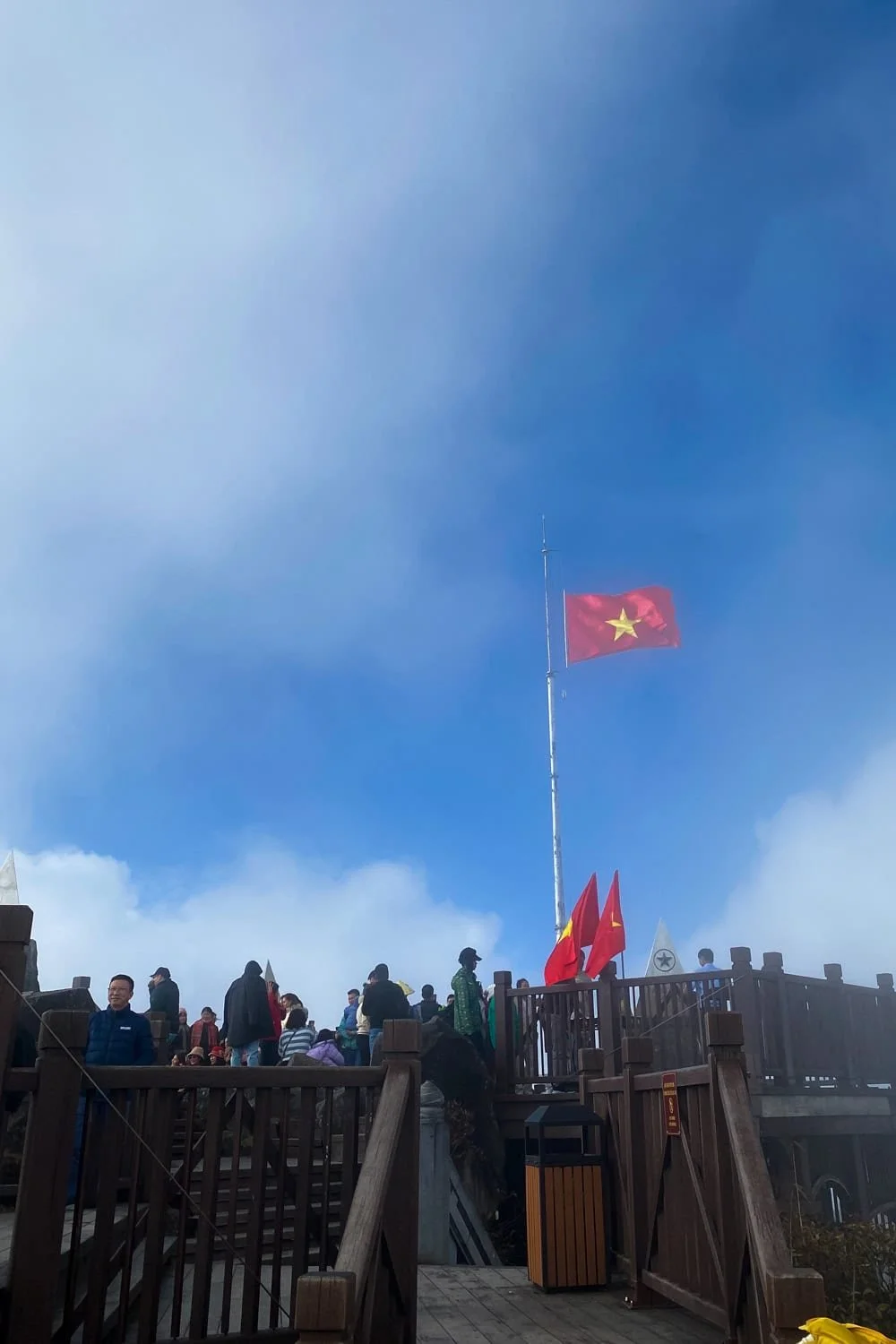
The Summit: did you even visit the tallest mountain in Vietnam if you didn’t summit? Snap a photo at the triangular peak marker and document your time there!
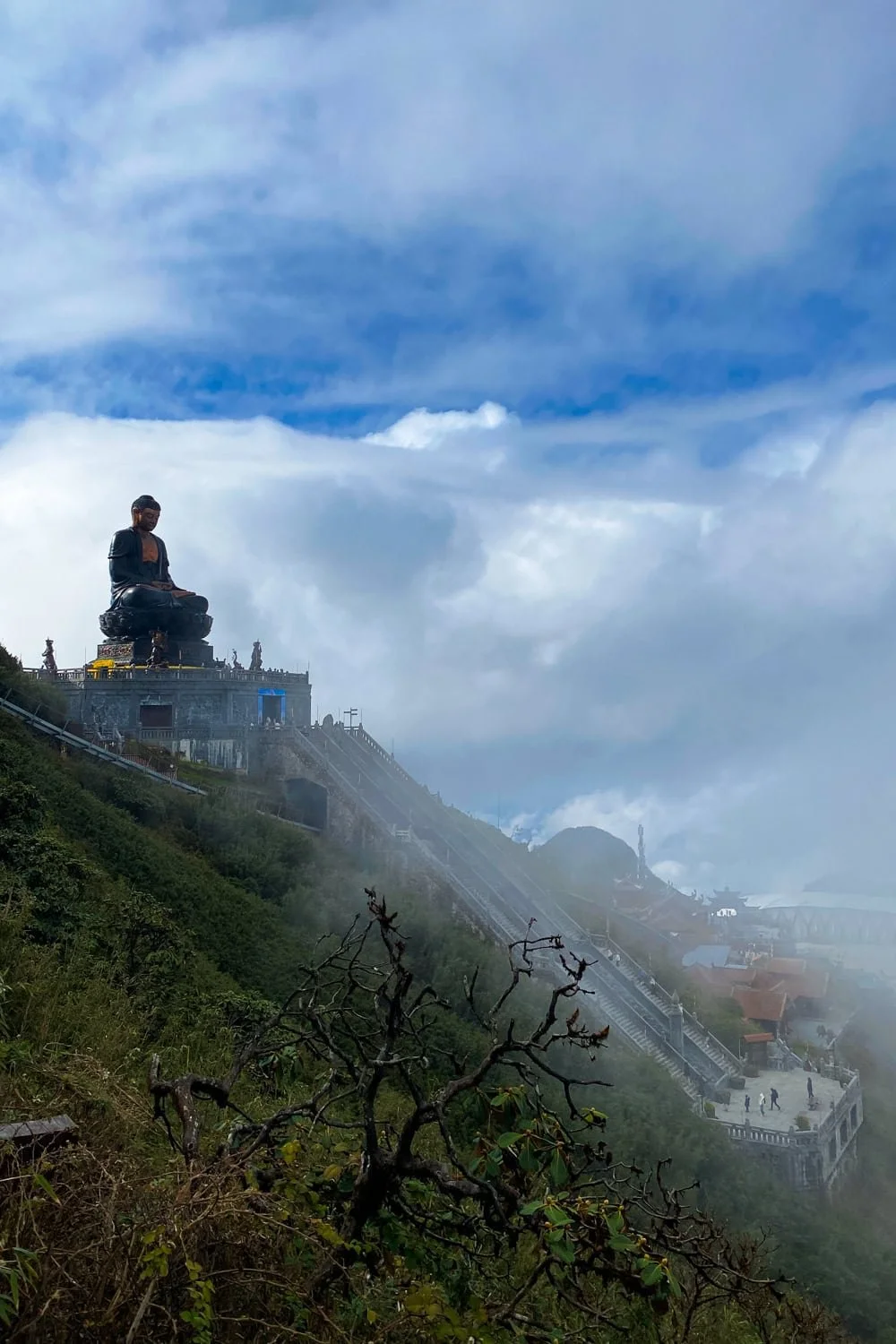
Buddha, Pagodas & Temples: I still think about the view of Buddha sitting in the mountains among swirling mists to this day. Spend your afternoon walking through the spiritual complex dotted with pagodas and temples. (Heads up, there are a lot of stairs though and you’re at high altitude so take your time!)
Fansipan Legend Complex: At the base station (where you transfer from the funicular to the cable car), you’ll find gardens, a cultural village, and restaurants. It’s kind of touristy but super cute in its own way. We ran out of time, but if you get the chance to, grab a cup of hot tea to warm up while enjoying the views.
I'll create a full guide to Fansipan in the coming weeks so subscribe to my newsletter to be the first to hear when that goes live!
After spending an entire day there, we decided to head back to Sapa early to pack and get ready for our overnight trip to Cat Ba Island.
Sapa is a mountain resort town with a long history of tourism that goes back to the French colonists so it only makes sense that a lot of their industry is steeped in some of the exploitative and superficial practices of the past.
That being said, there are also plenty of opportunities to slow down, immerse a little bit more deeply, and gain an appreciation for the nature and communities of the region.
I hope that this three day itinerary painted a realistic vision of what you can do in that time, and I’d love to know your thoughts on the town as well as some perspectives on how we can shift tourism to be a little more sustainable and less extractive.
More On Travel In Vietnam:
PIN THIS FOR LATER